
Flood Ready
- Hohonu Flood Sensors
- Preparing Your Property
- Before Flooding Occurs
- During a Flooding Event
- After Flooding Occurs
- City Action Steps
Hohonu Flood Sensors
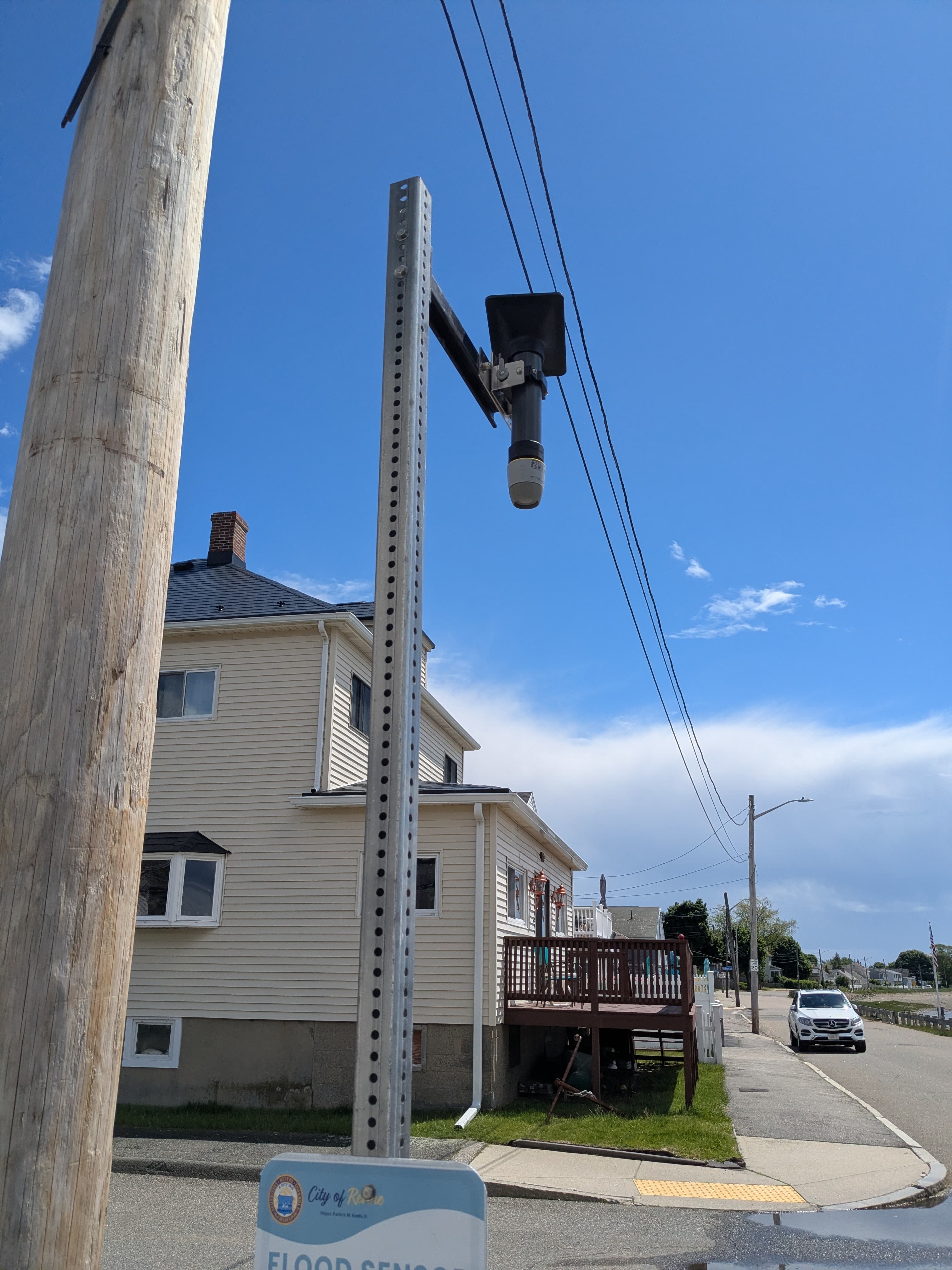
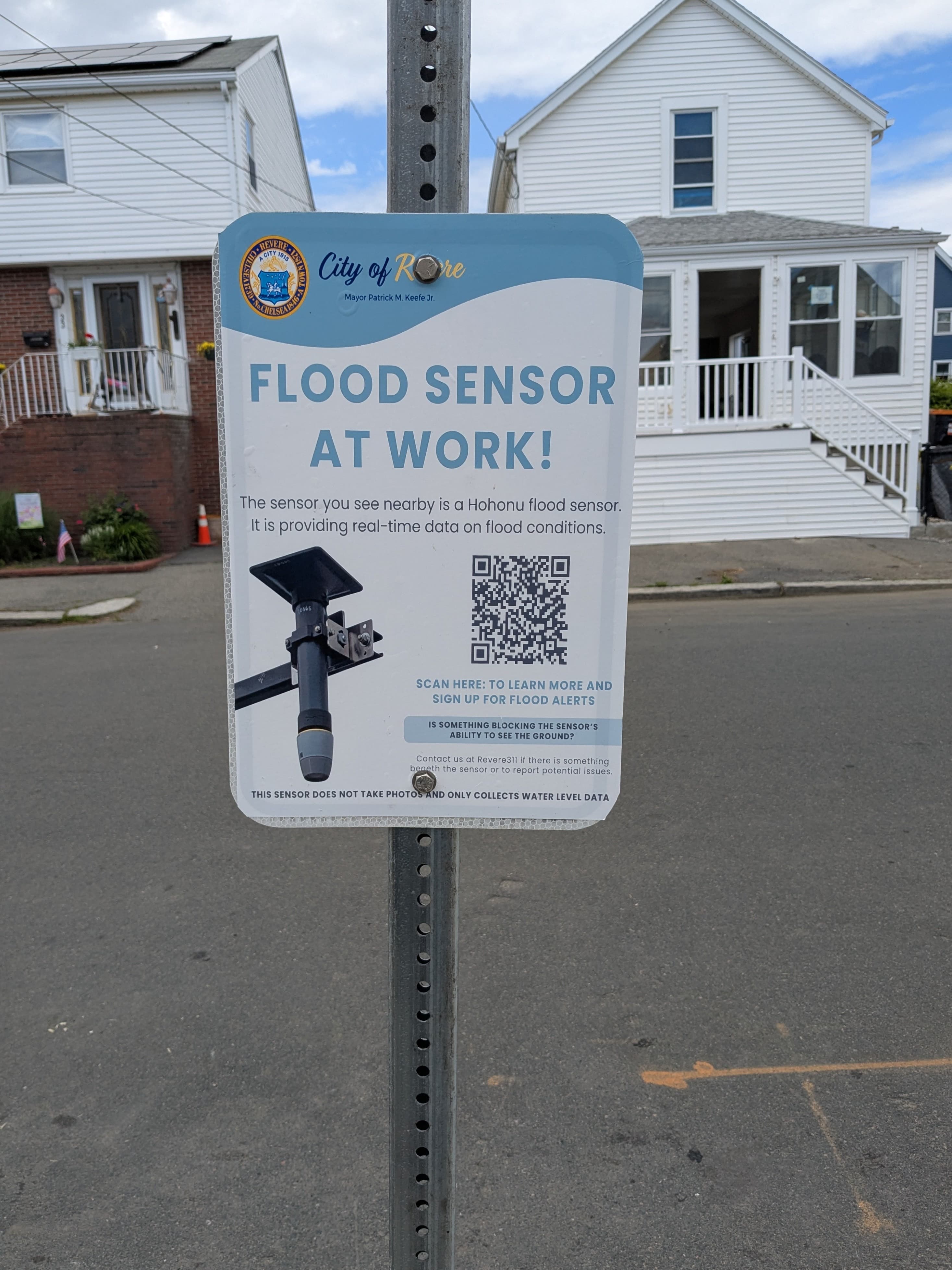
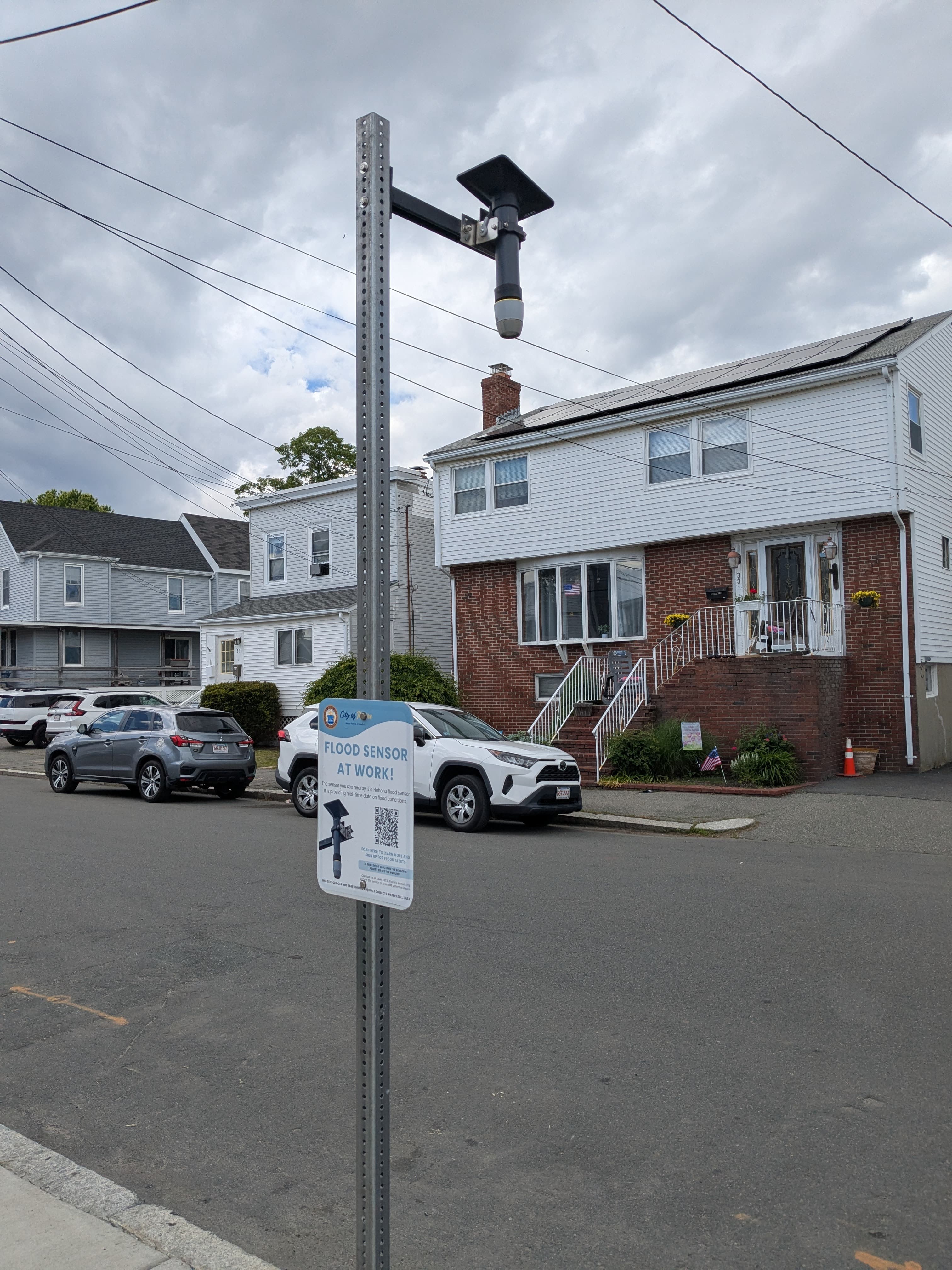
The City of Revere has installed flood sensors to track water levels in real time and provide alerts about flooding to residents. Having local data from these sensors becomes especially important as water levels continue to rise and intensity of storms increase. This webpage describes how the flood monitoring system works, why it matters for our community, and how you can sign up to receive text alerts about potential flooding directly.

Sign up to receive alerts!




Preparing Your Property
The City of Revere currently experiences different levels of flooding, from frequent flooding of basements to more extreme flooding events during intense rainstorms. To help you prepare your property for all kinds of flooding, we’ve created some visual examples that illustrate some important steps you can take. Explore the information in the graphics below.
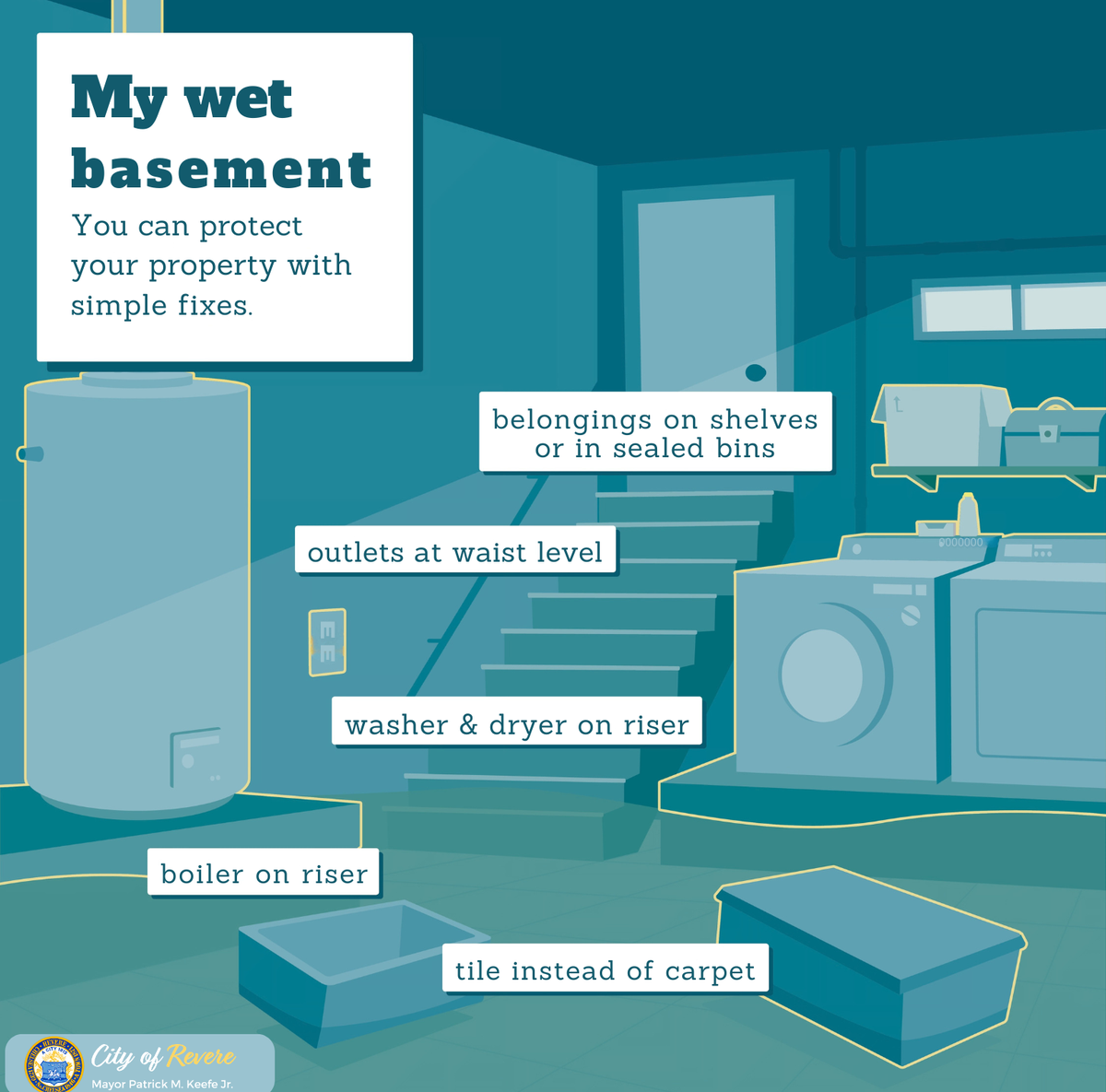
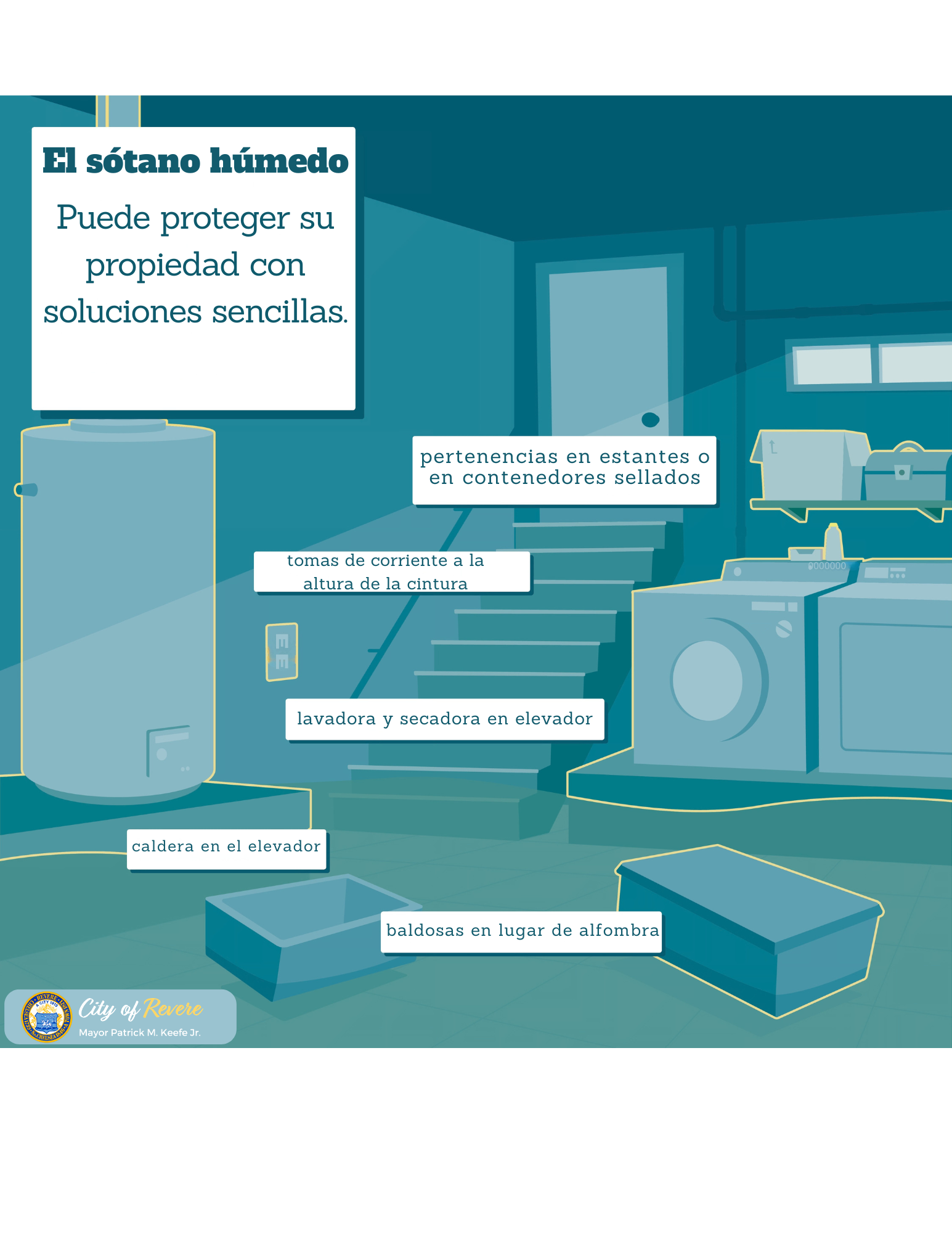
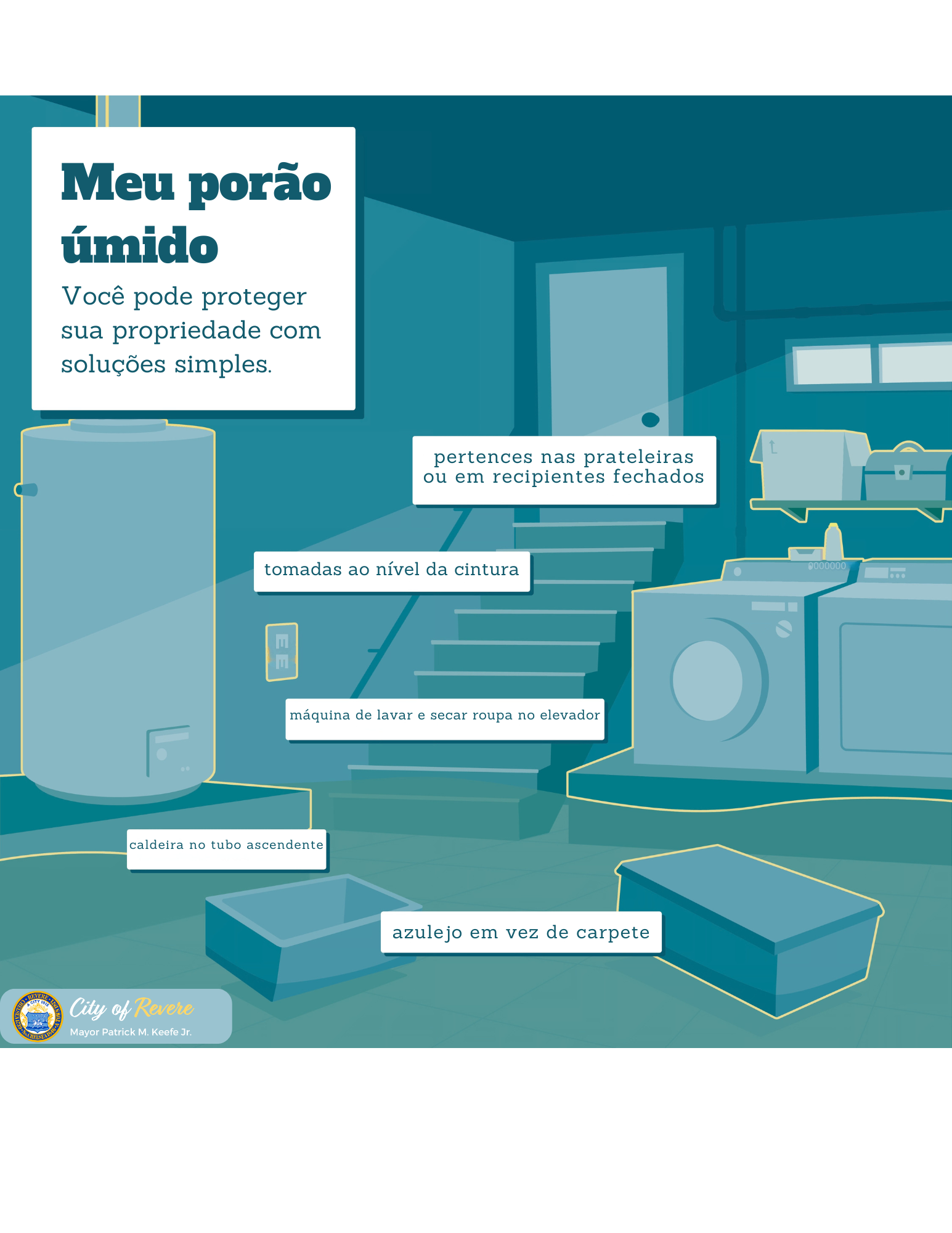
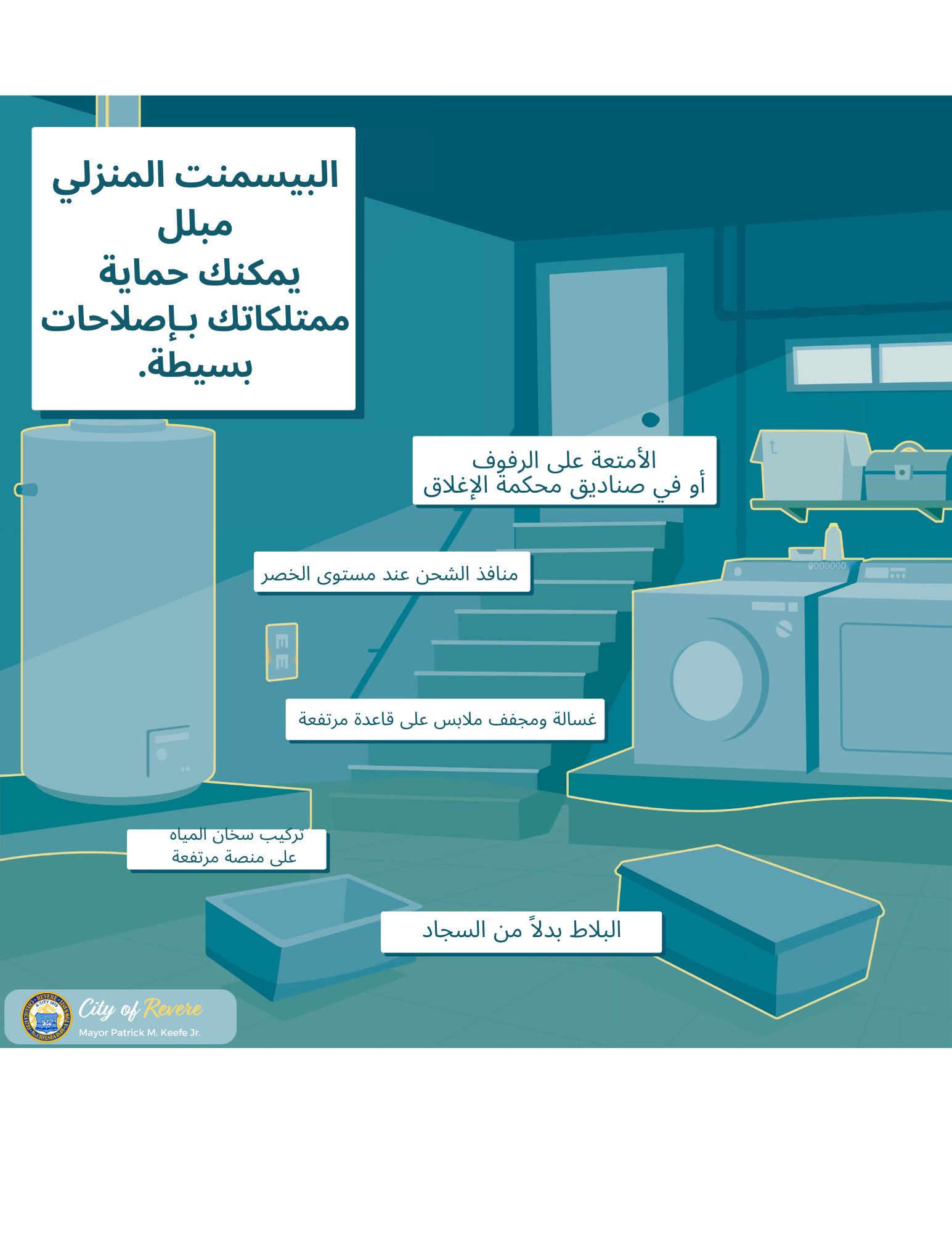
If your basement is subject to flooding, consider wet floodproofing by installing water-resistant finishing materials (like tile and concrete). This is practical only for non-living spaces, such as basements, crawlspaces, or garages. For living spaces, take a look at FEMA’s guide on dry floodproofing. What else can you do to limit flood damage?
- Remove valuables, sentimental items, and important documents from your basement, and store your belongings off the floor on risers/shelves or in sealed bins.
- Install a sump pump and backflow preventers.
- Elevate electrical outlets to higher areas on the wall, as there is a danger of being unable to shut off the electrical panel after it floods.
- Relocate utilities including the electrical service panel and the heating, ventilation, and air conditioning (HVAC) ductwork.
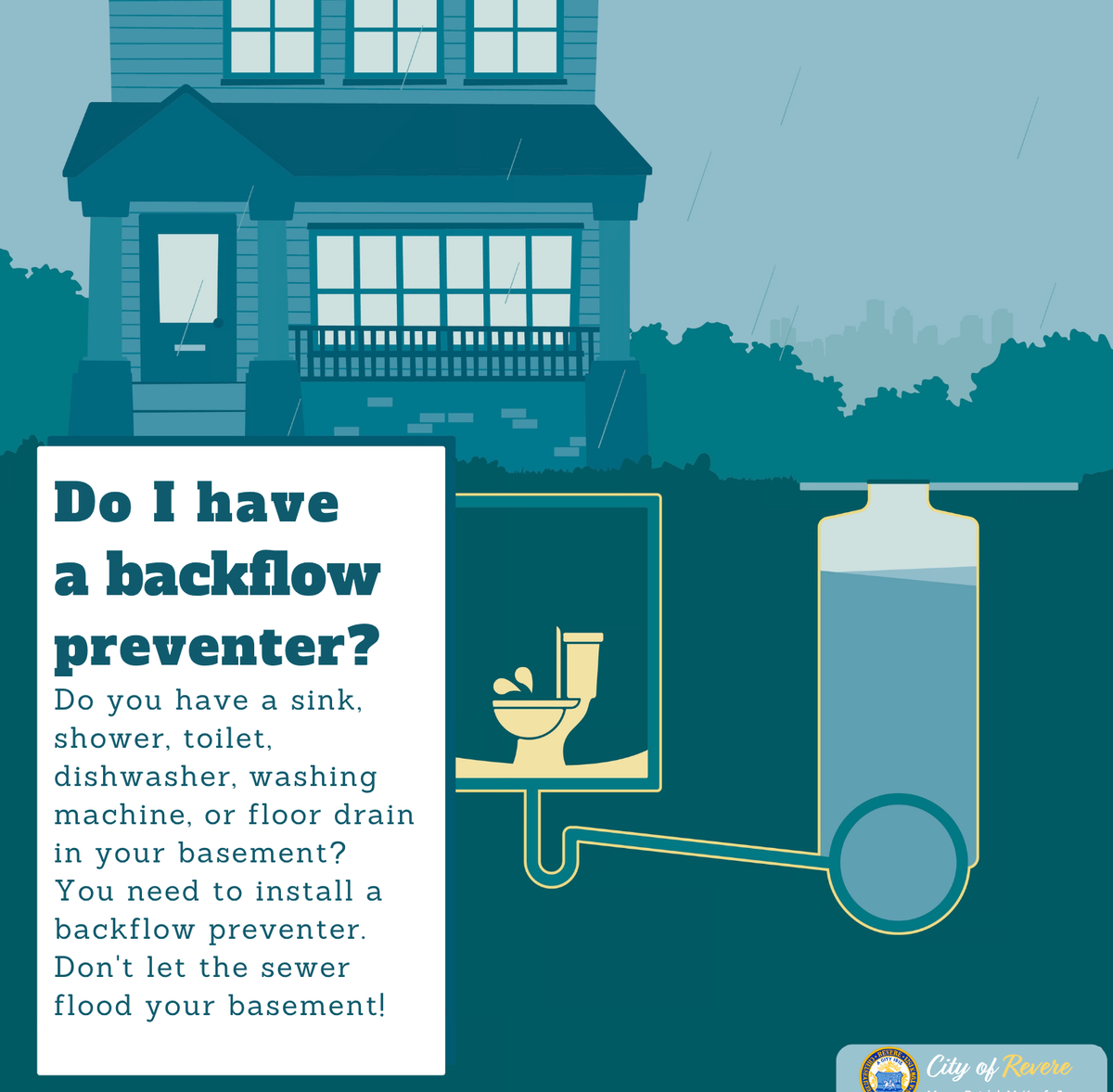
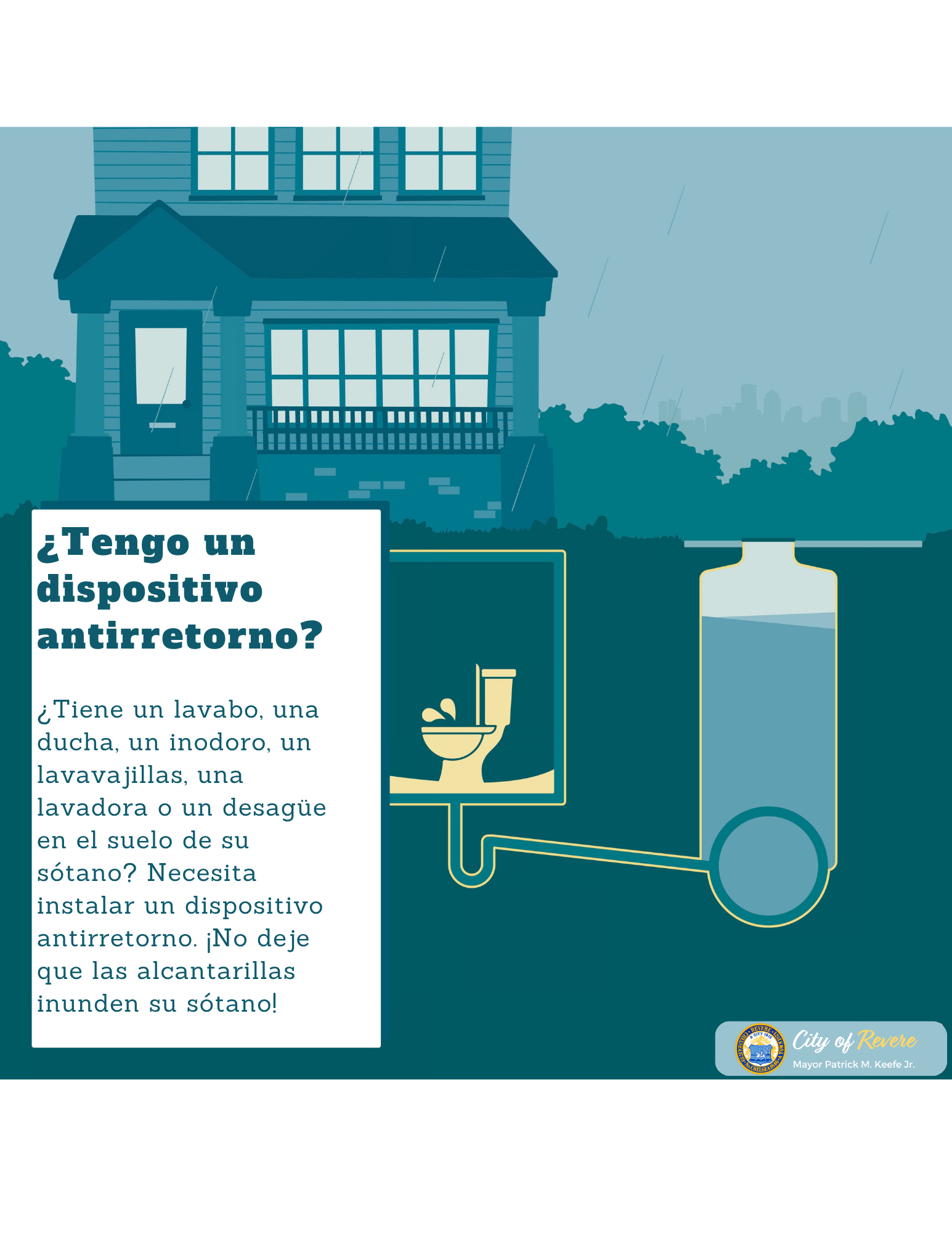
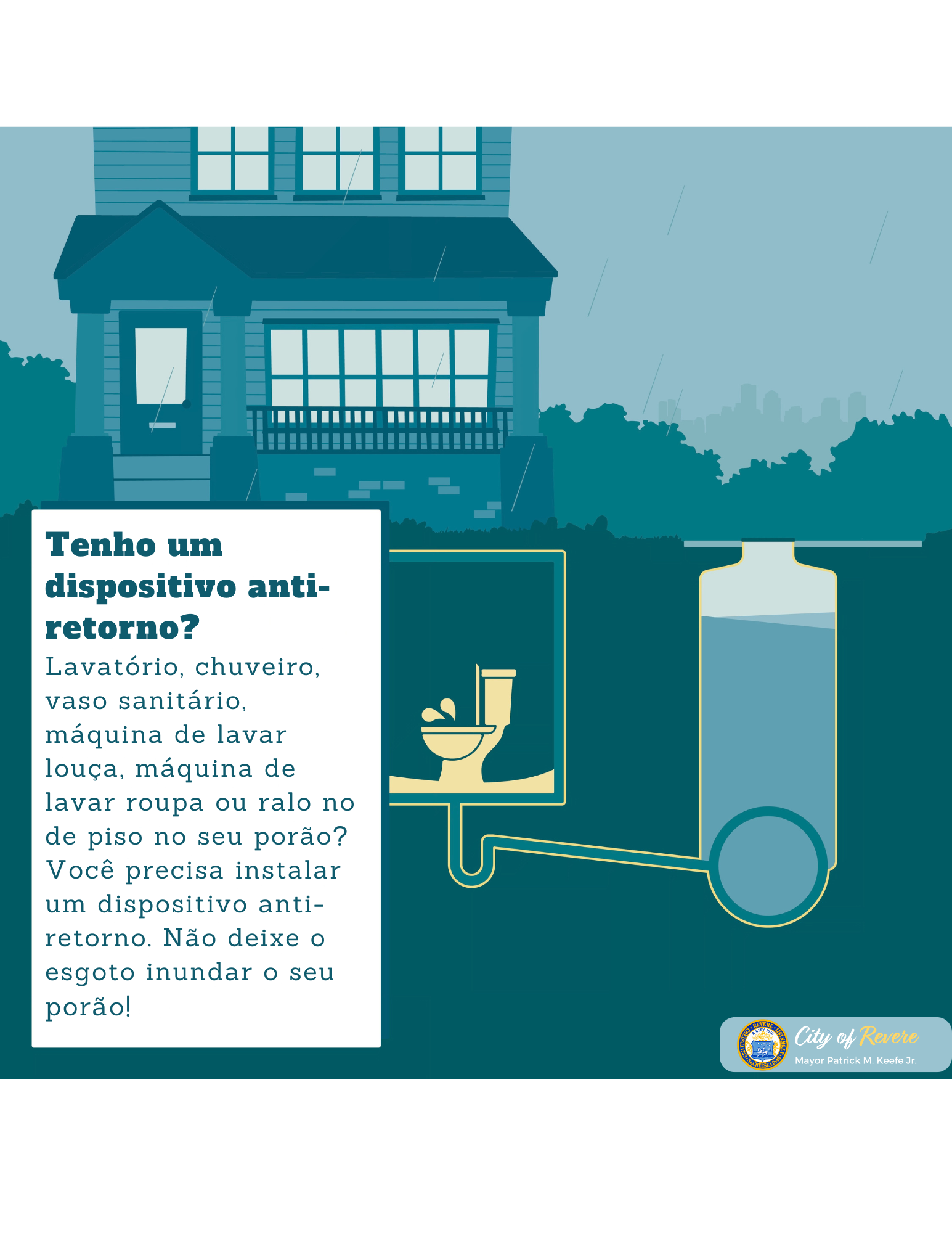
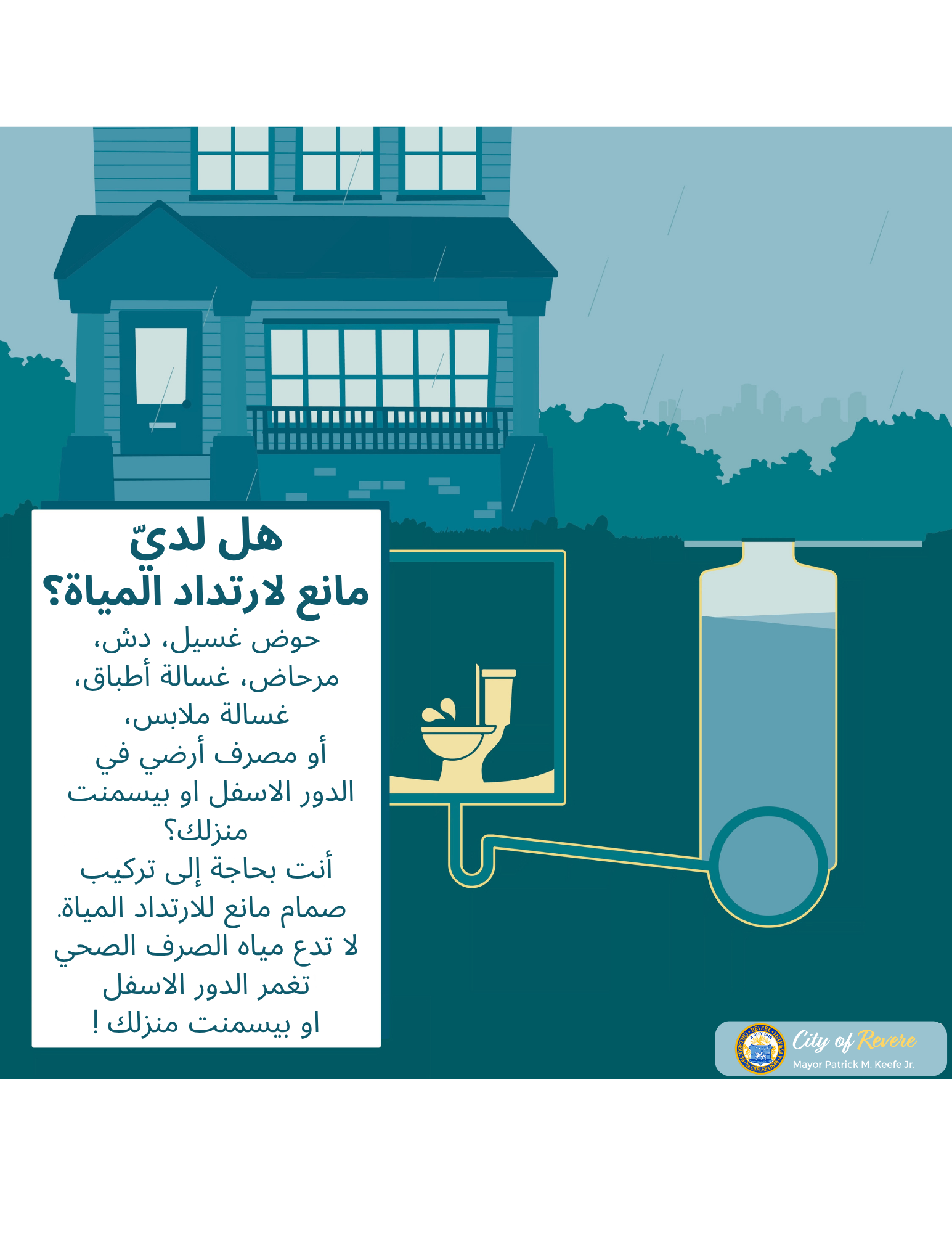
Flooding on your street could cause sewers to back up through your pipes and flood your basement with sewage. Do you have a sink, shower, toilet, dishwasher, washing machine, or floor drain in your basement? Do you own a basement-level apartment or condo? If so, you may want to consider a professional plumber to install a backflow preventer to prevent sewage from flowing backwards into your basement.
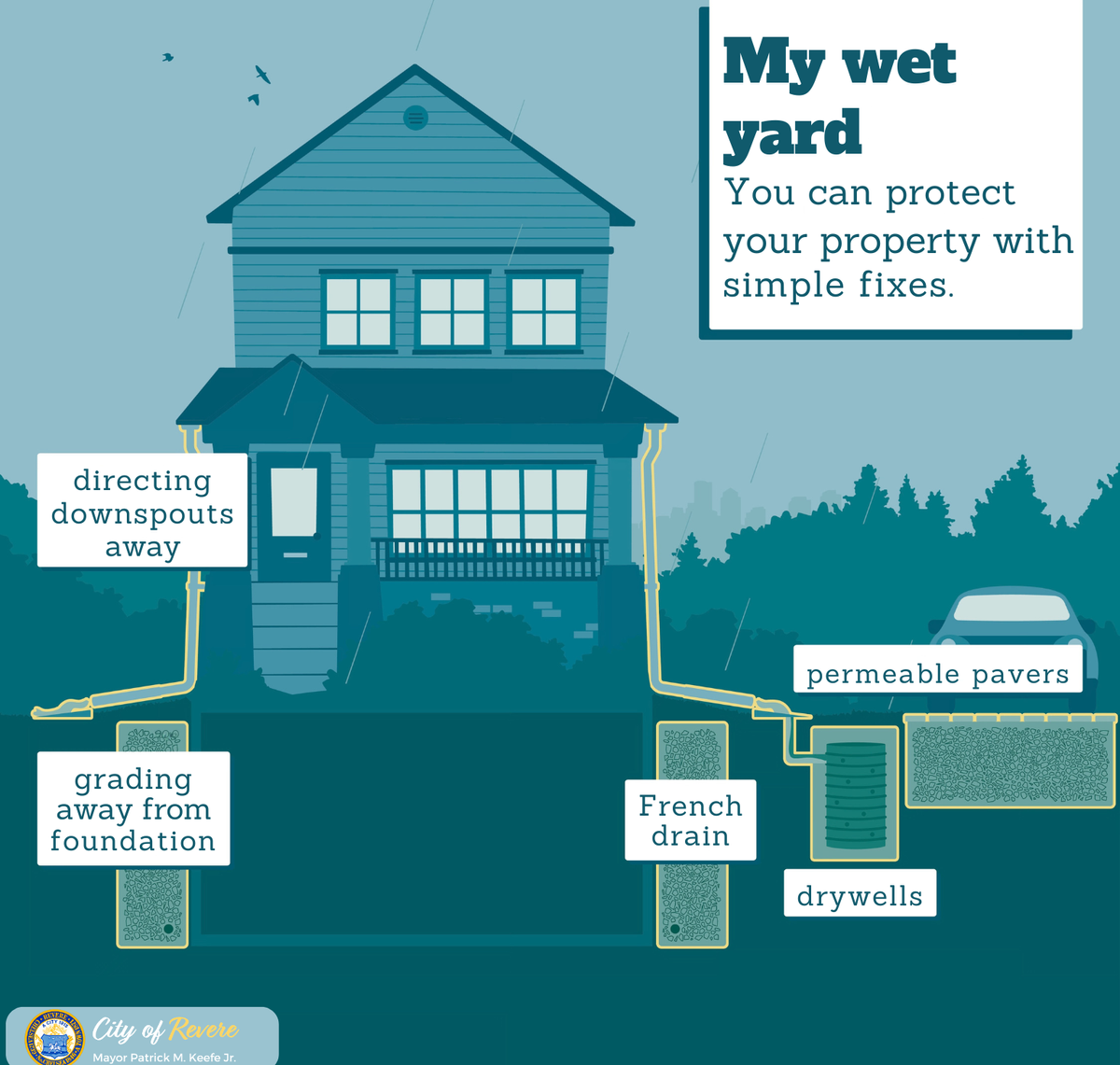
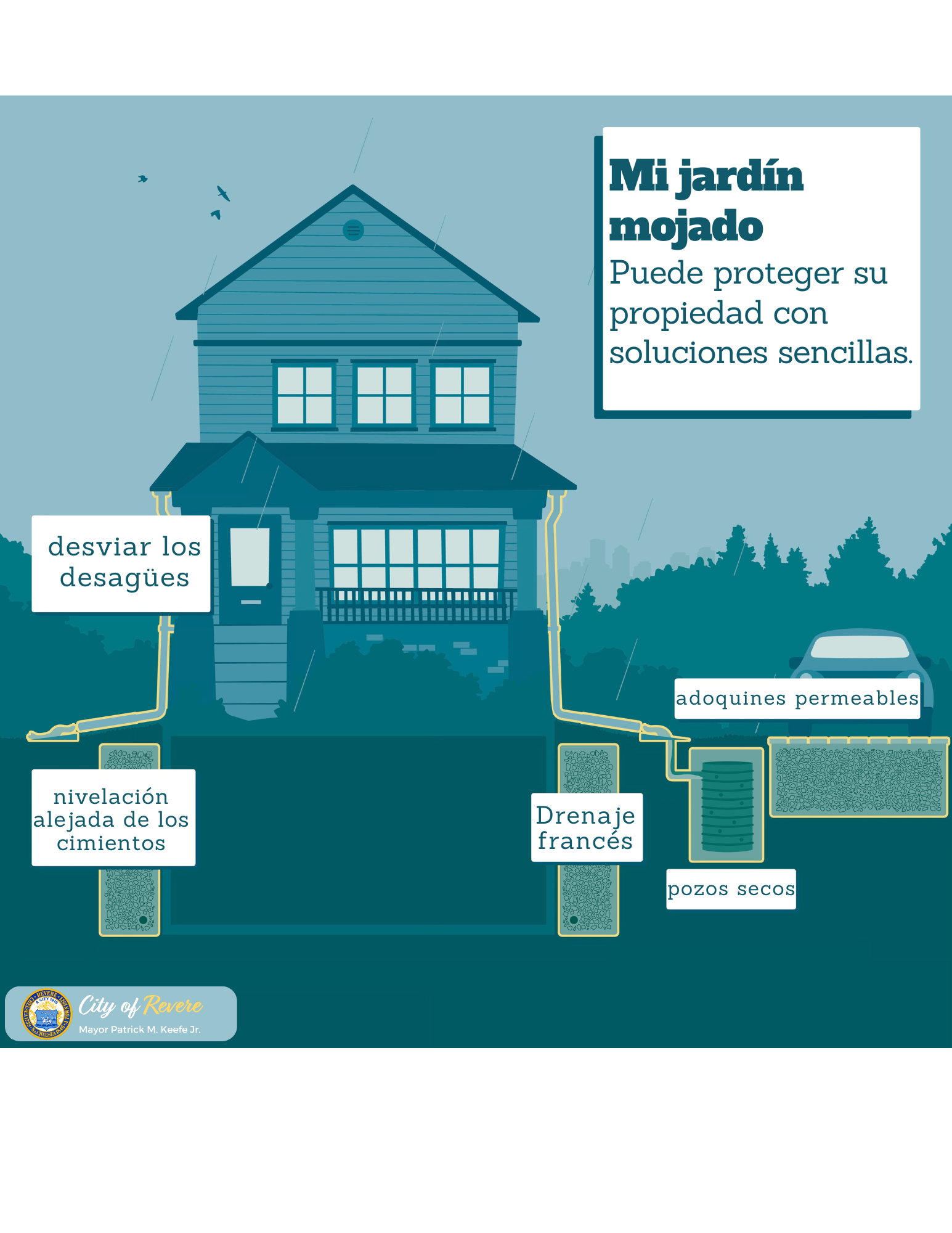
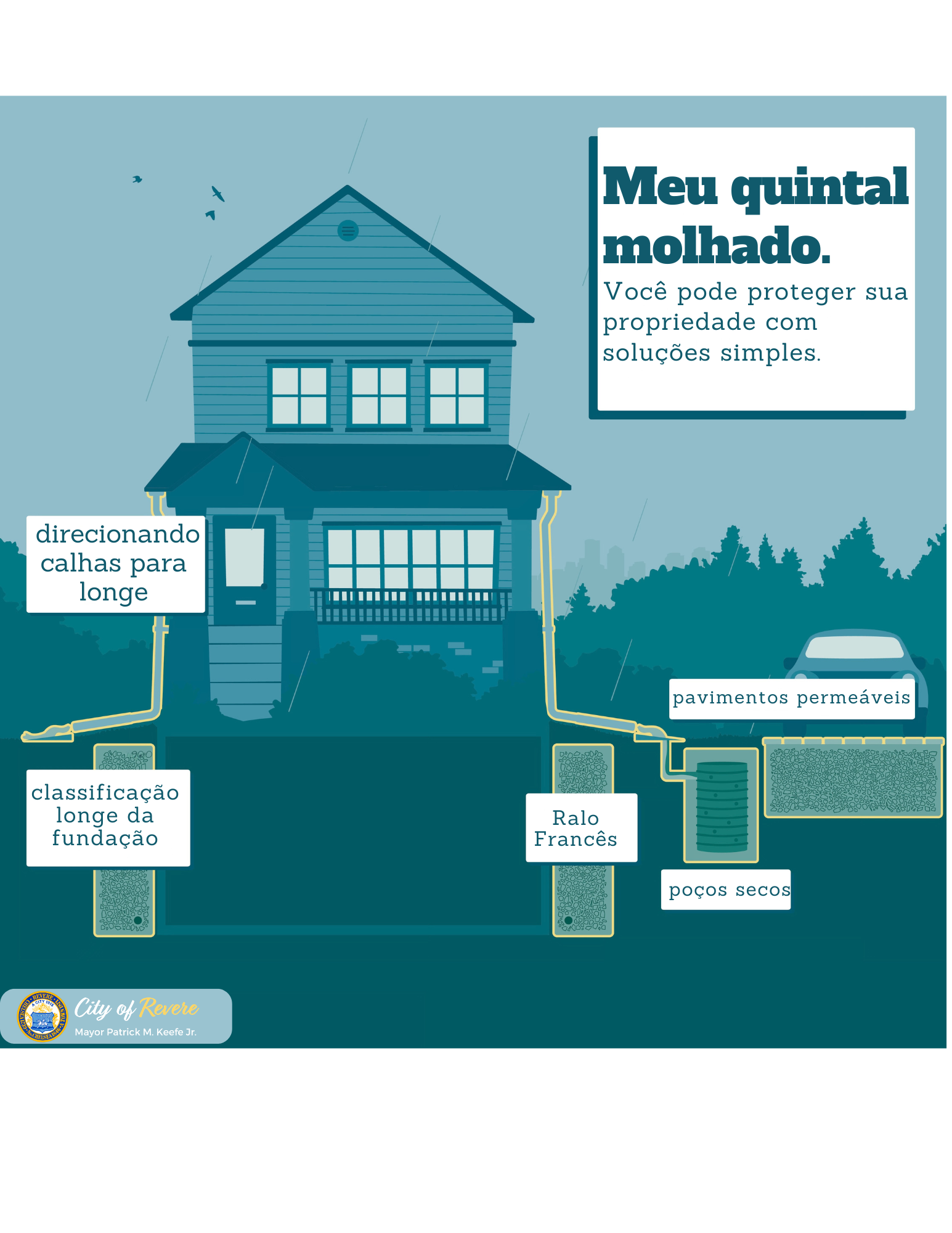
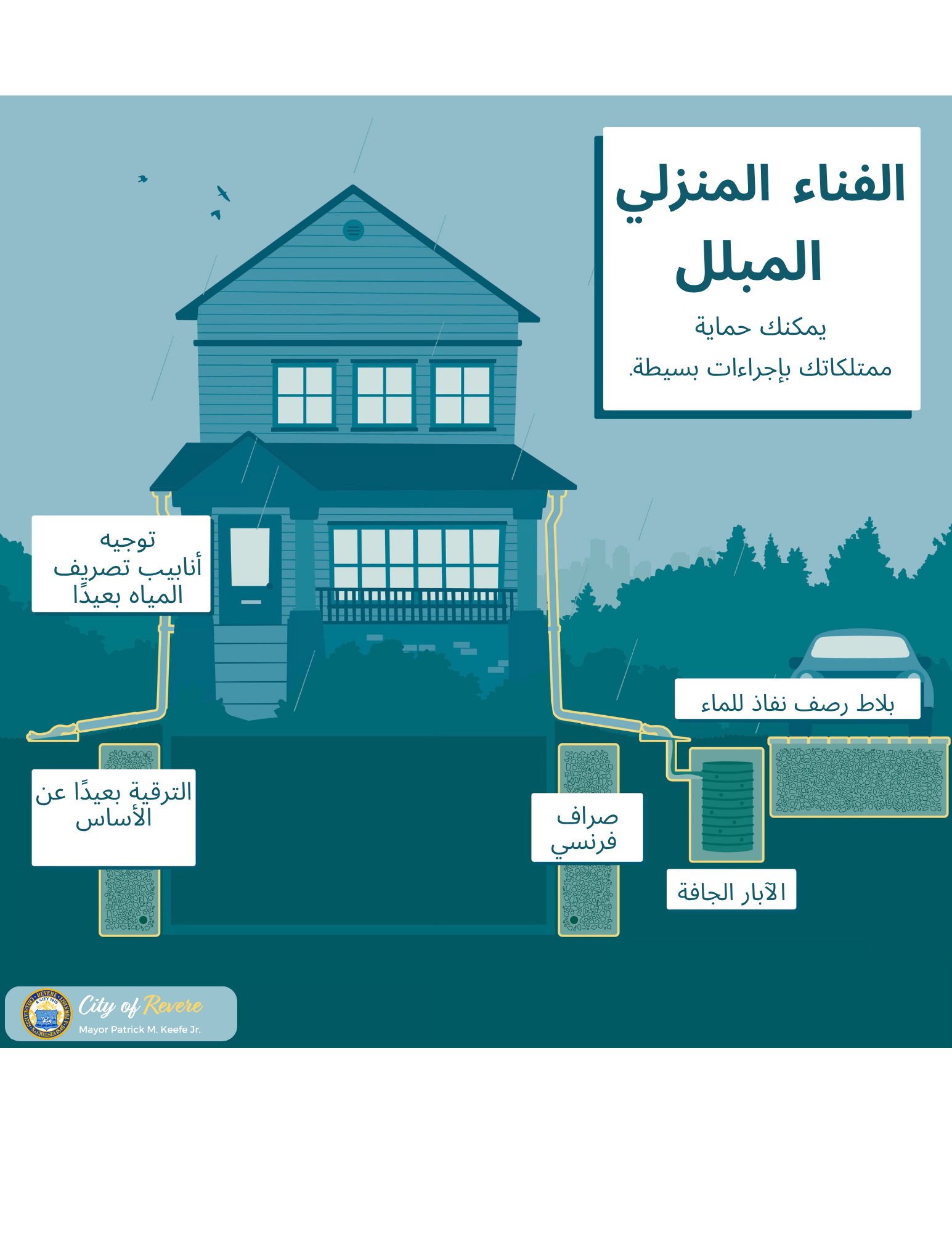
How can you keep your yard and foundation dry?
- Grade your yard so that it slopes away from the foundation.
- Maintain downspouts and gutters, extend them away from the foundation, and have them discharge onto a splash pad.
- Install French drains to convey water away from the foundation, and dry wells to store and infiltrate rainwater.
- Utilize permeable pavement to better infiltrate rainwater from driveways and patios.
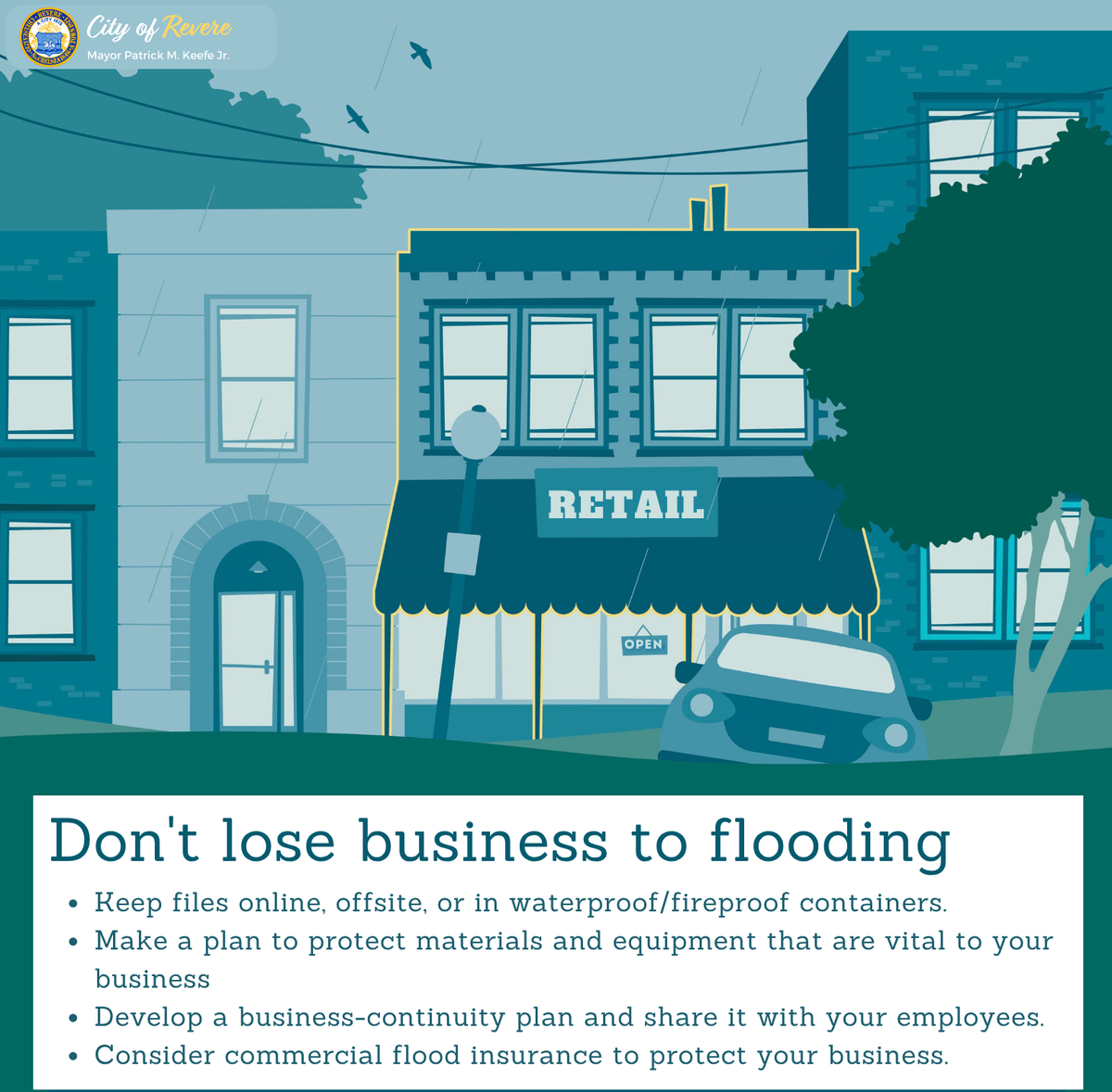
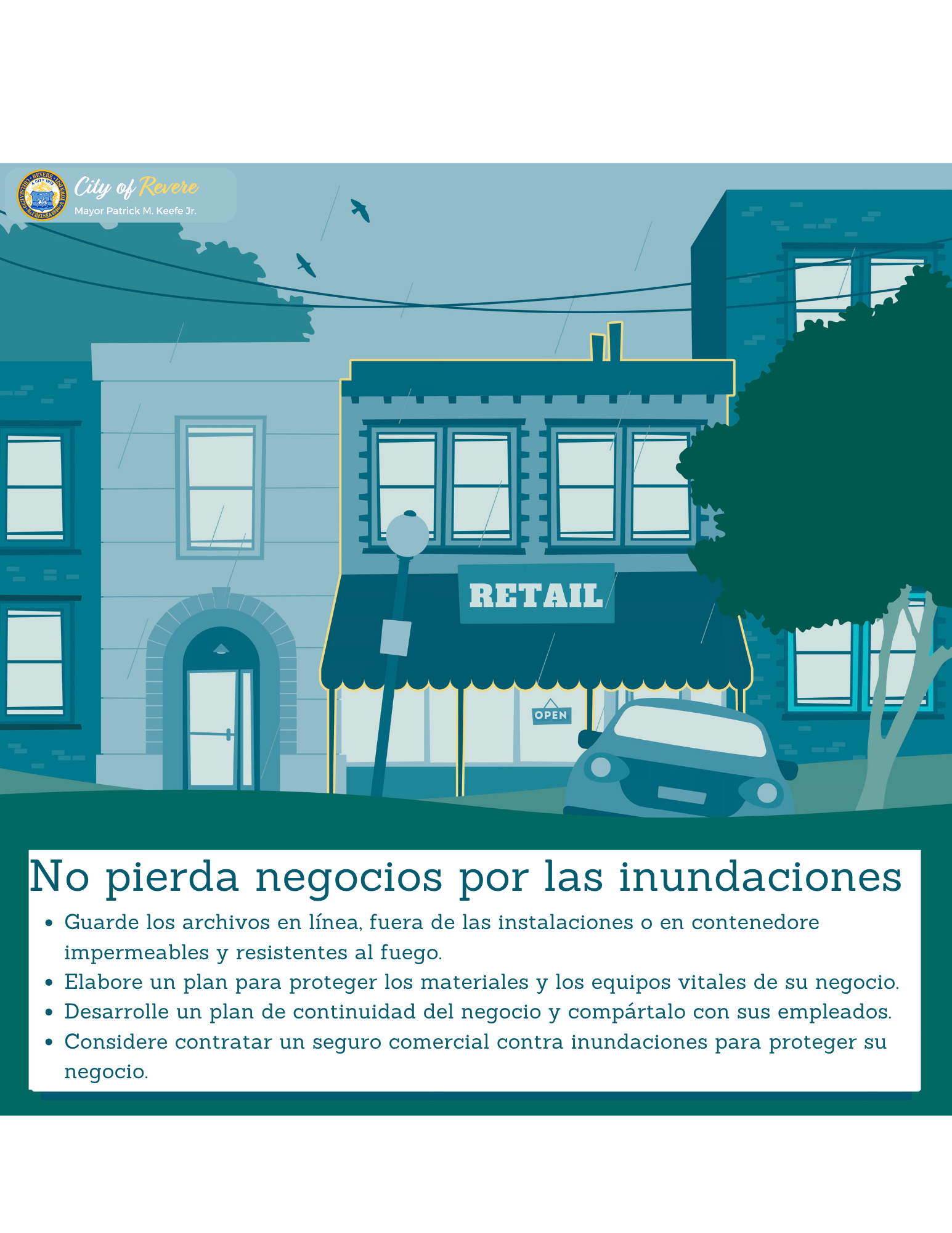
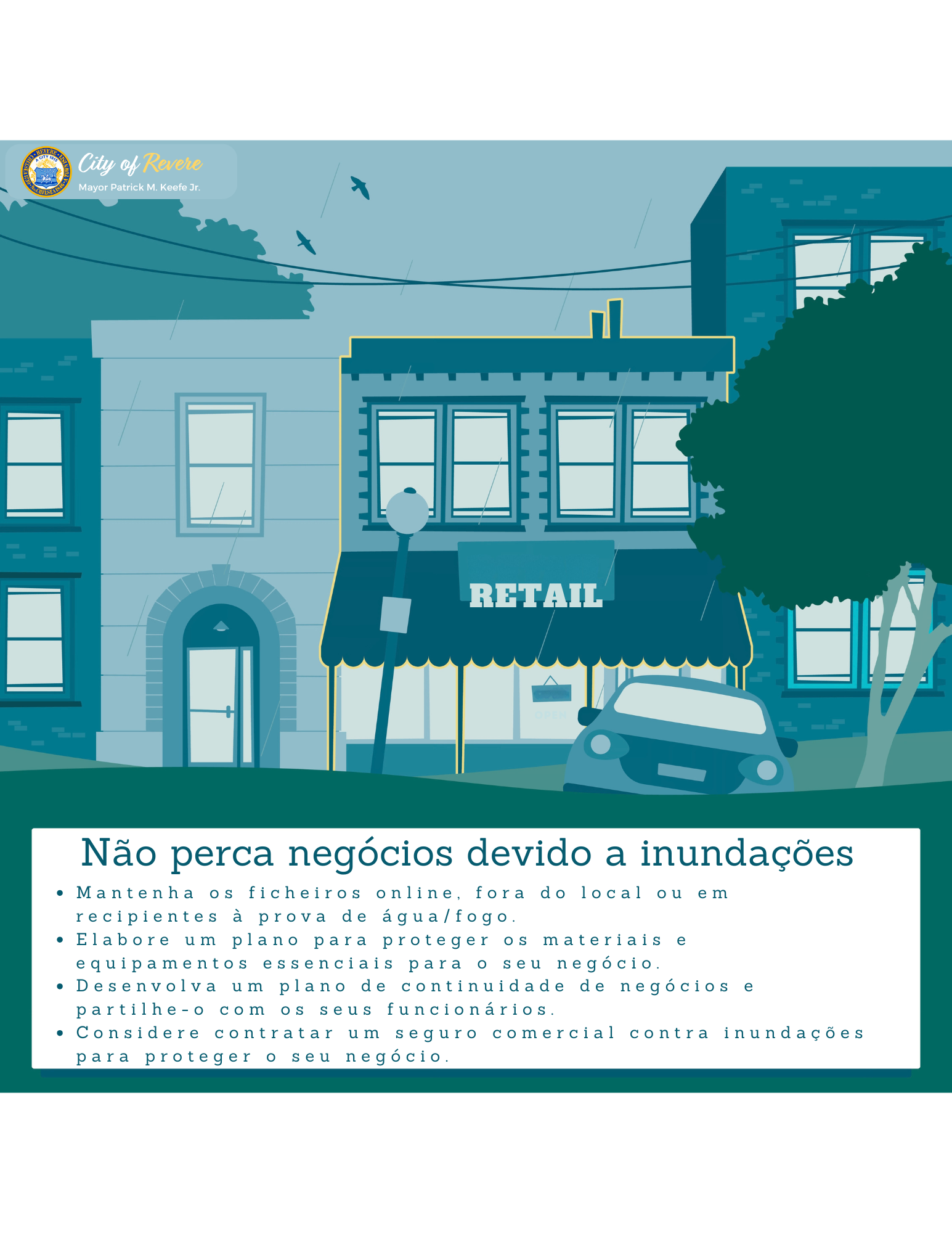

Following a disaster, 40% to 60% of small businesses never reopen their doors, and 90% fail within a year unless they can resume operations within five days (FEMA). Explore FEMA’s Ready Business website for more information, including an Inland Flooding Toolkit.
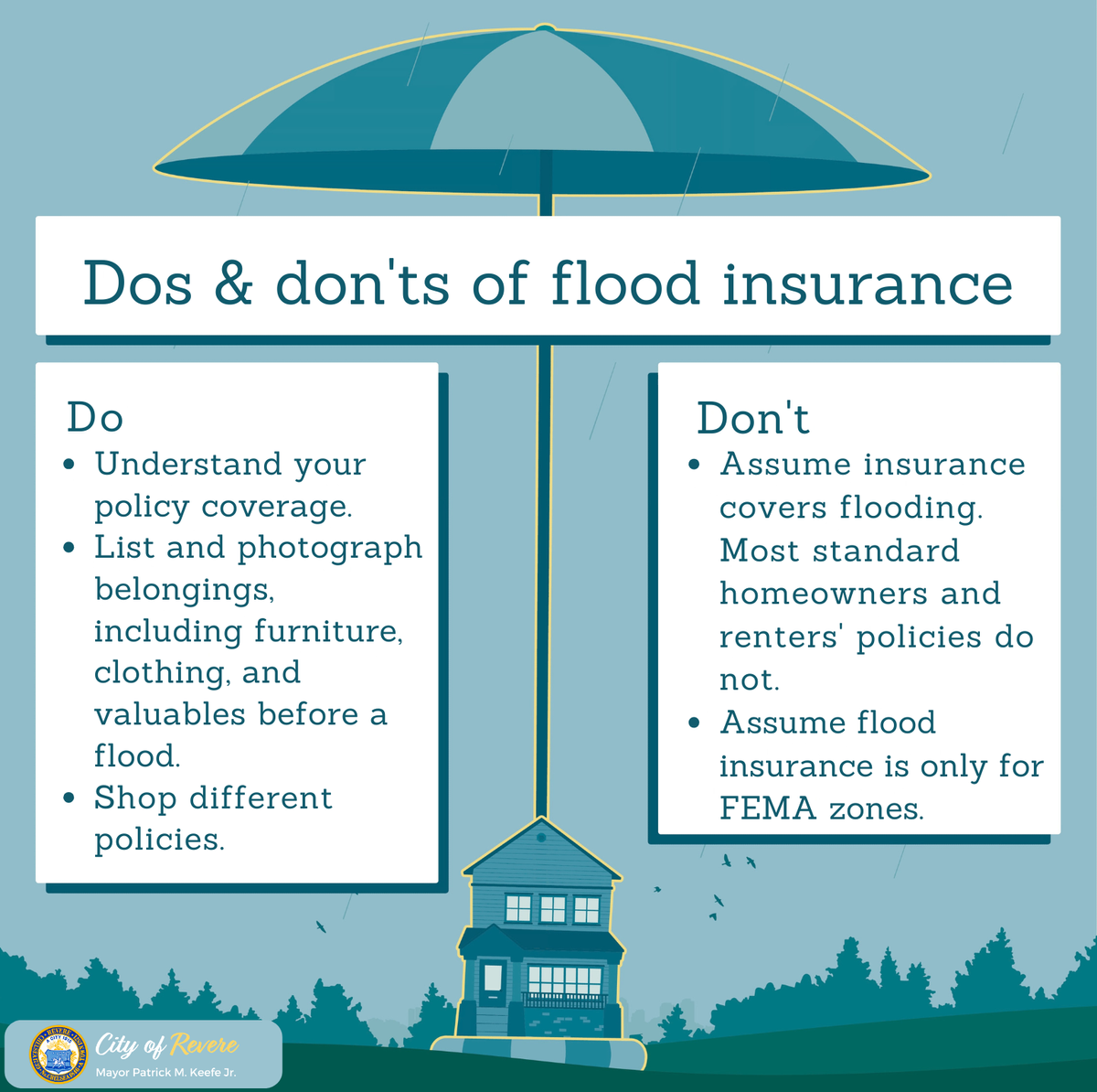
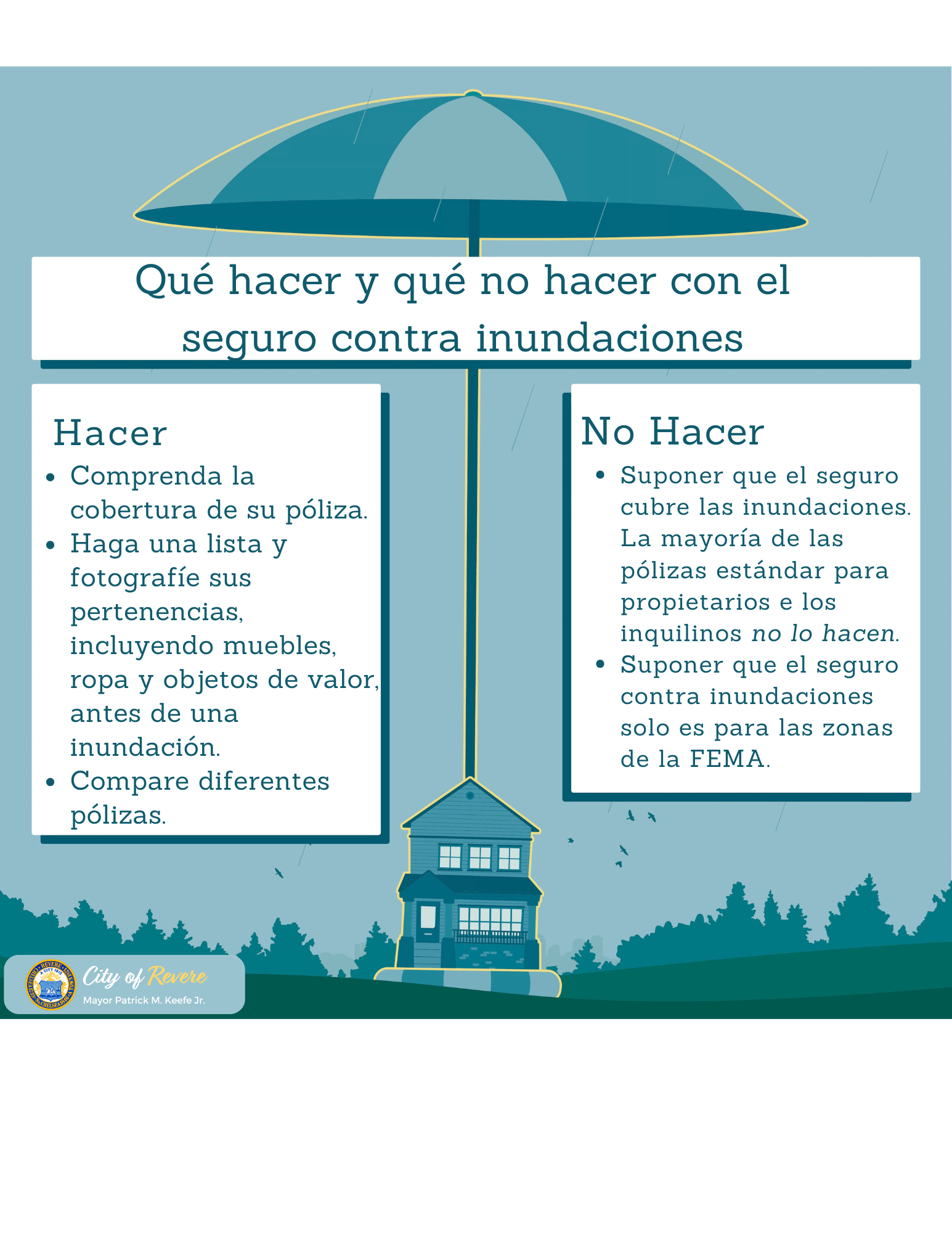
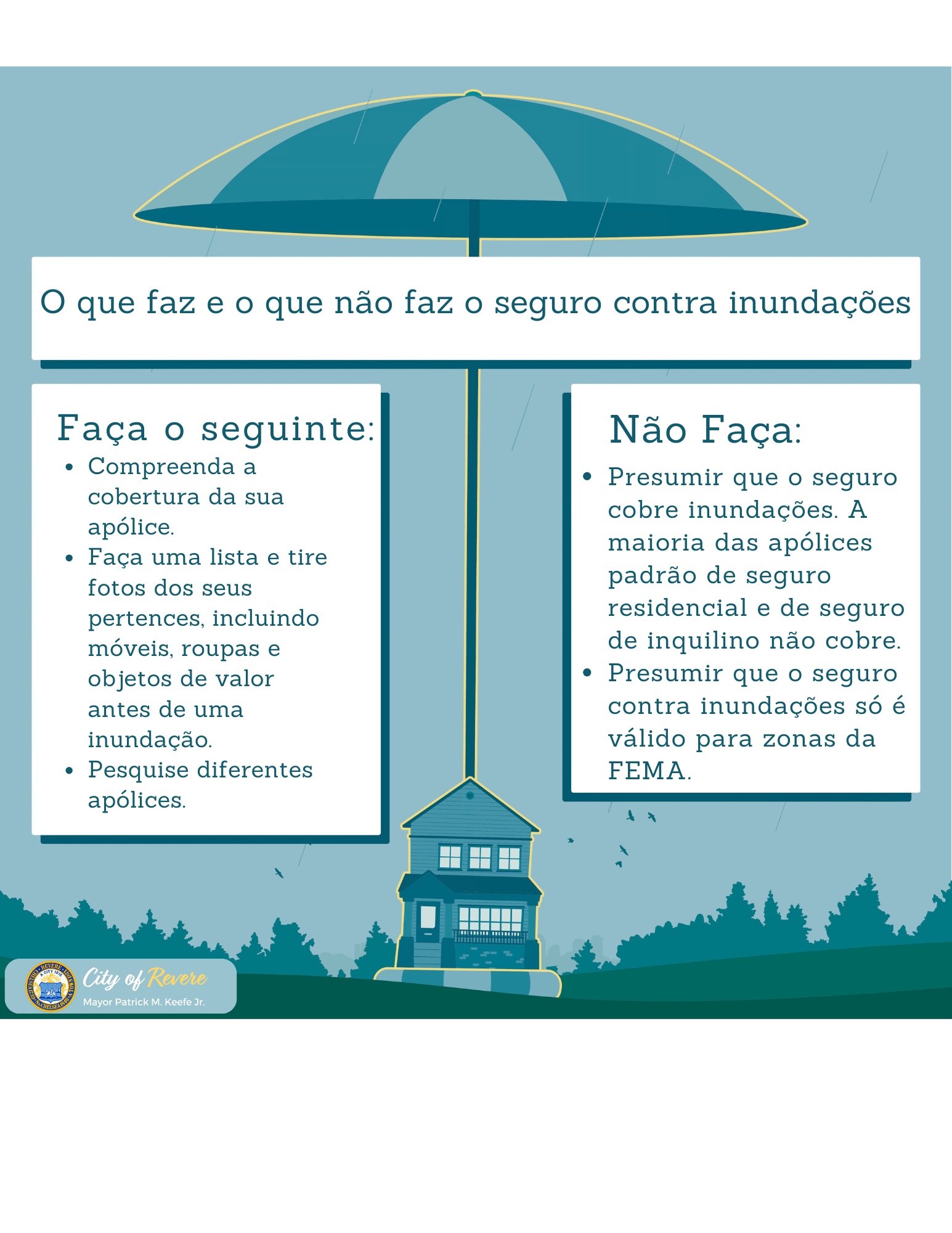
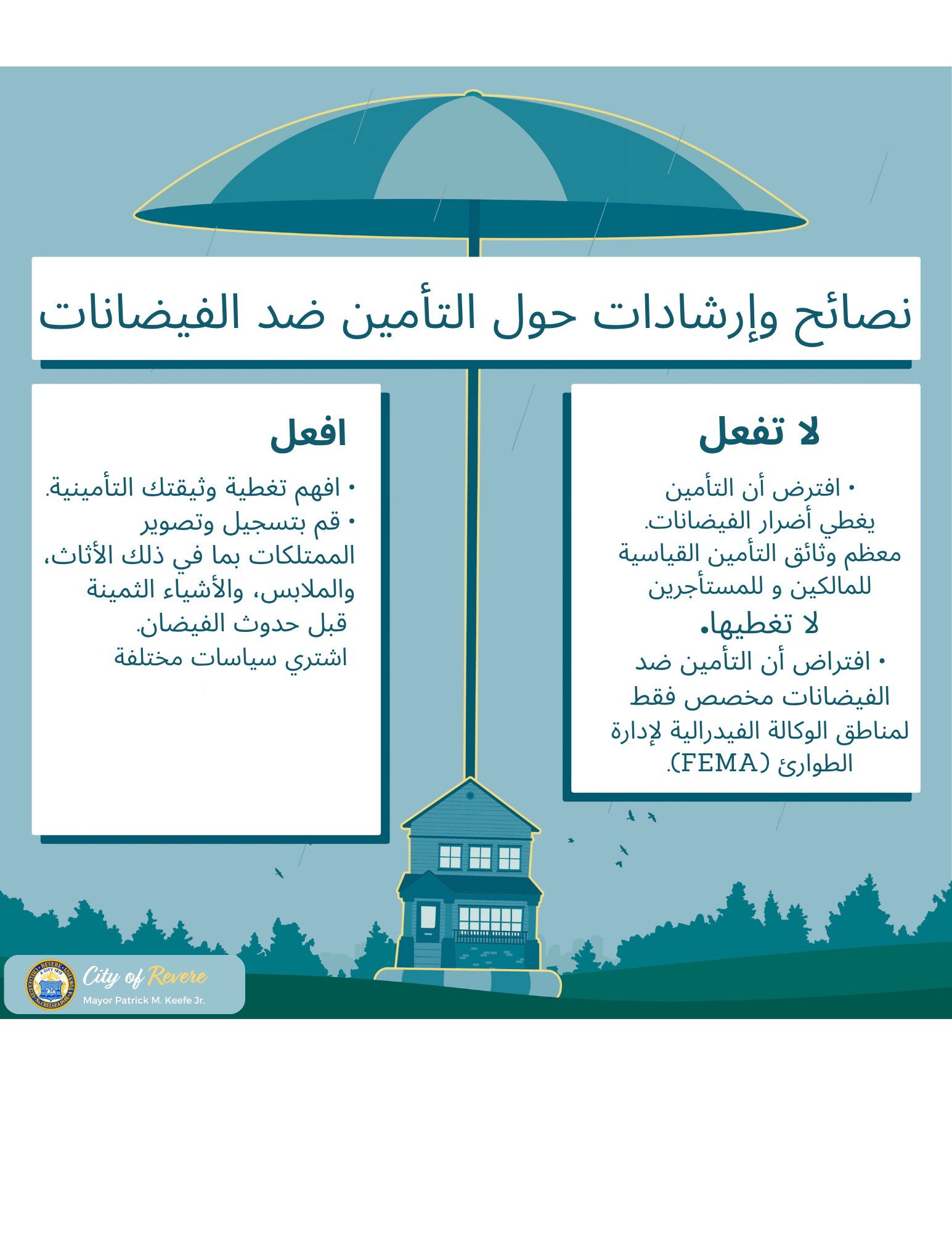
Standard homeowner’s and renter’s insurance policies do not include flood insurance, but you can contact your insurance company for more information about adding flood protection. If your agent does not sell flood insurance, you can contact the National Flood Insurance Program’s Help Center at 1-800-427-4661 for a referral.
Before Flooding Occurs
Taking proactive measures to prepare before a flood occurs can help keep you and your property safe. It is important to have plans for both frequent, recurring flooding from major rainstorms and the less frequent but more catastrophic flooding events like a major coastal storm.
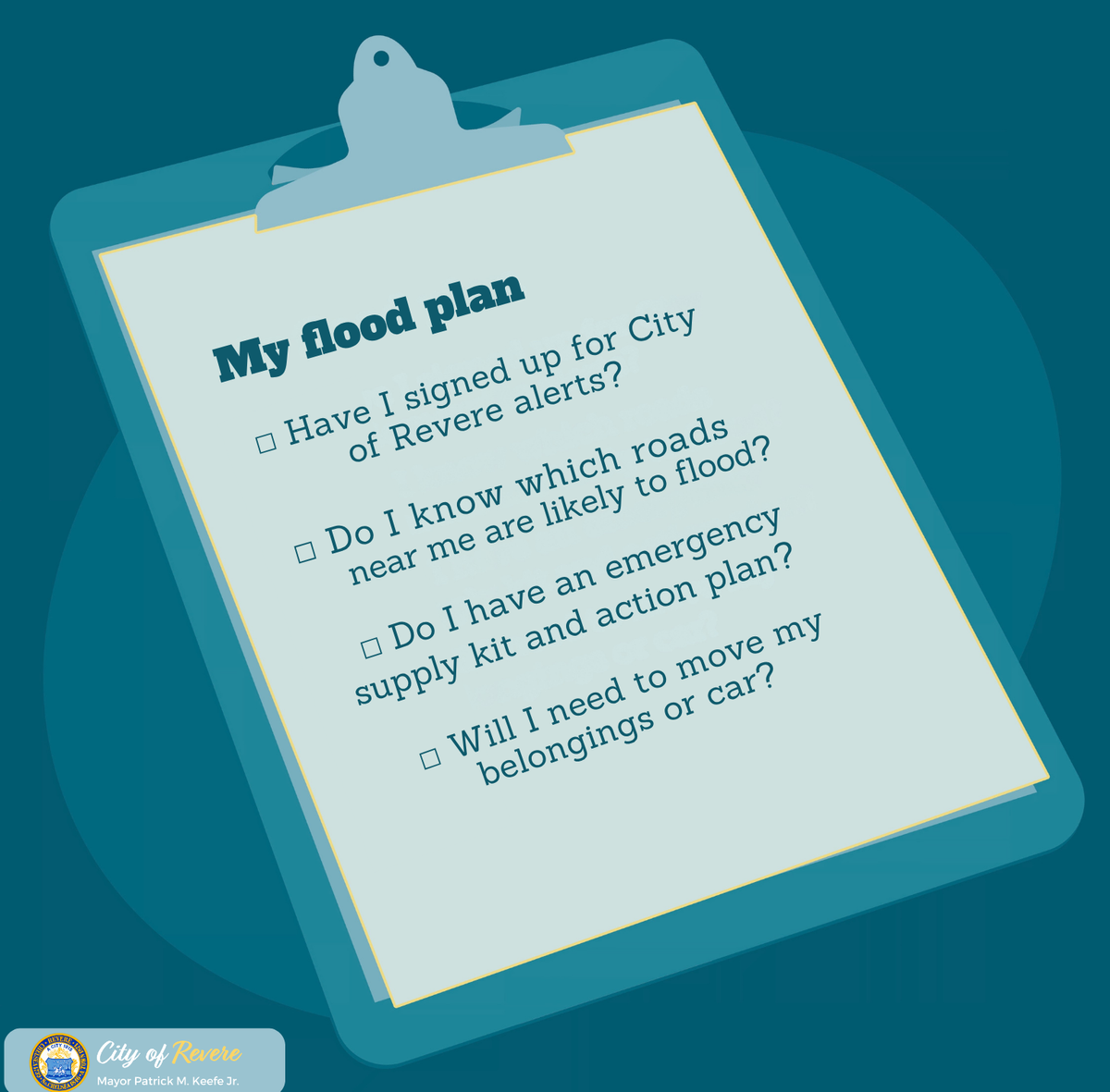
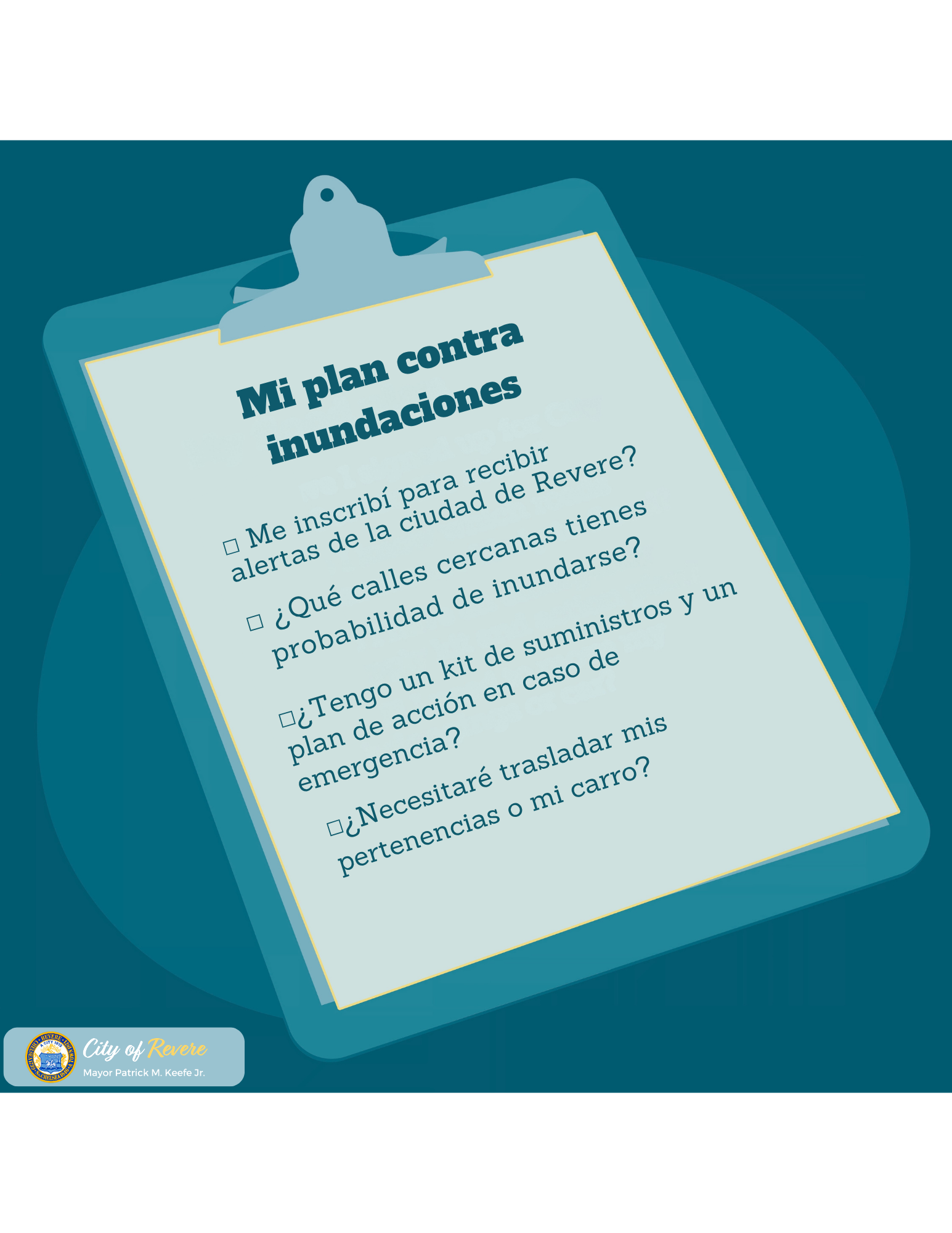
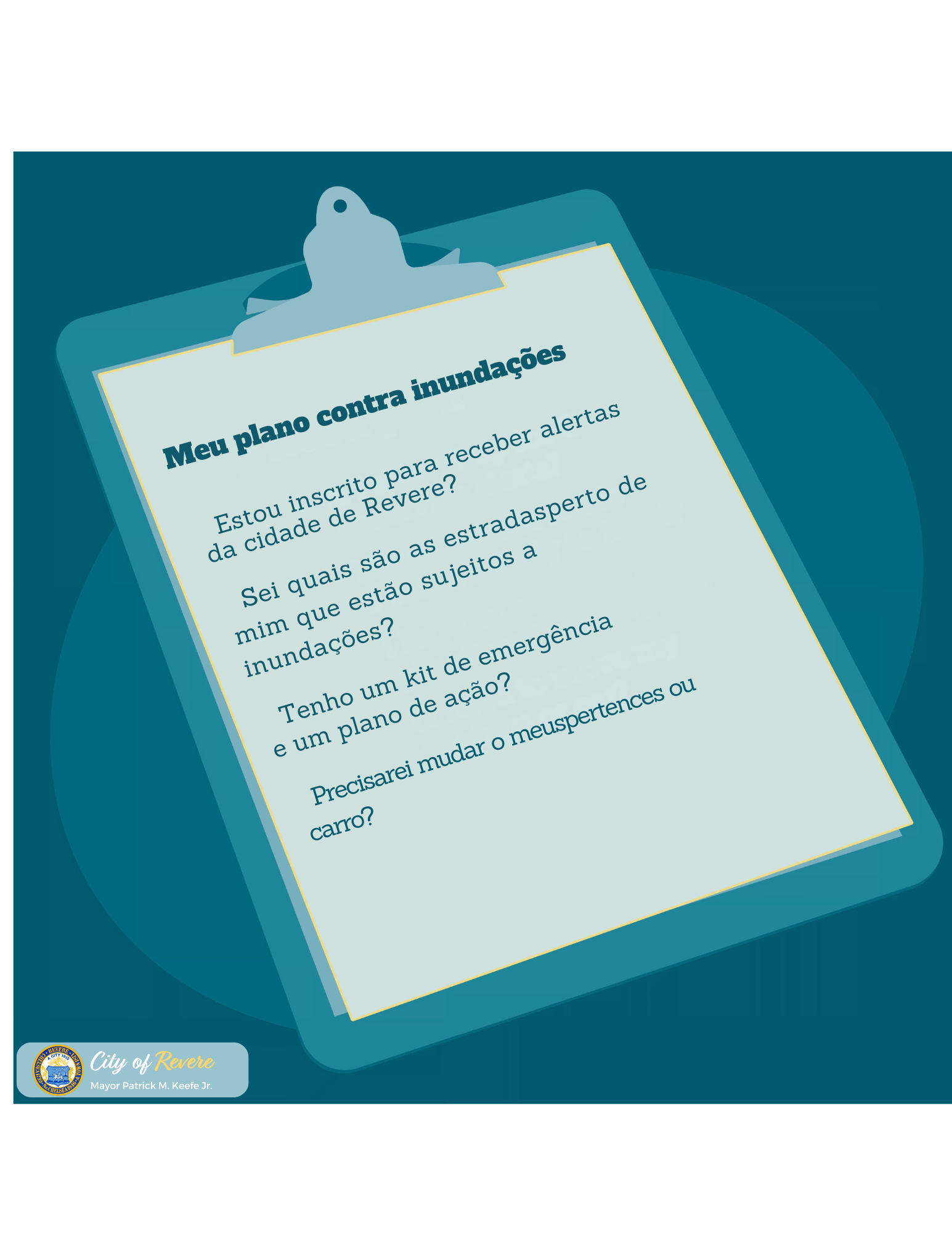

Preparing for a flooding event is much like preparing for a major snowstorm. You should have a communication and emergency response plan in place with your family or household and have gathered emergency supplies (including for your pets) in case you need to leave your home for a period of time. It is important to consider the unique needs of all members of your household, including children, seniors, and individuals with disabilities, in your preparations.
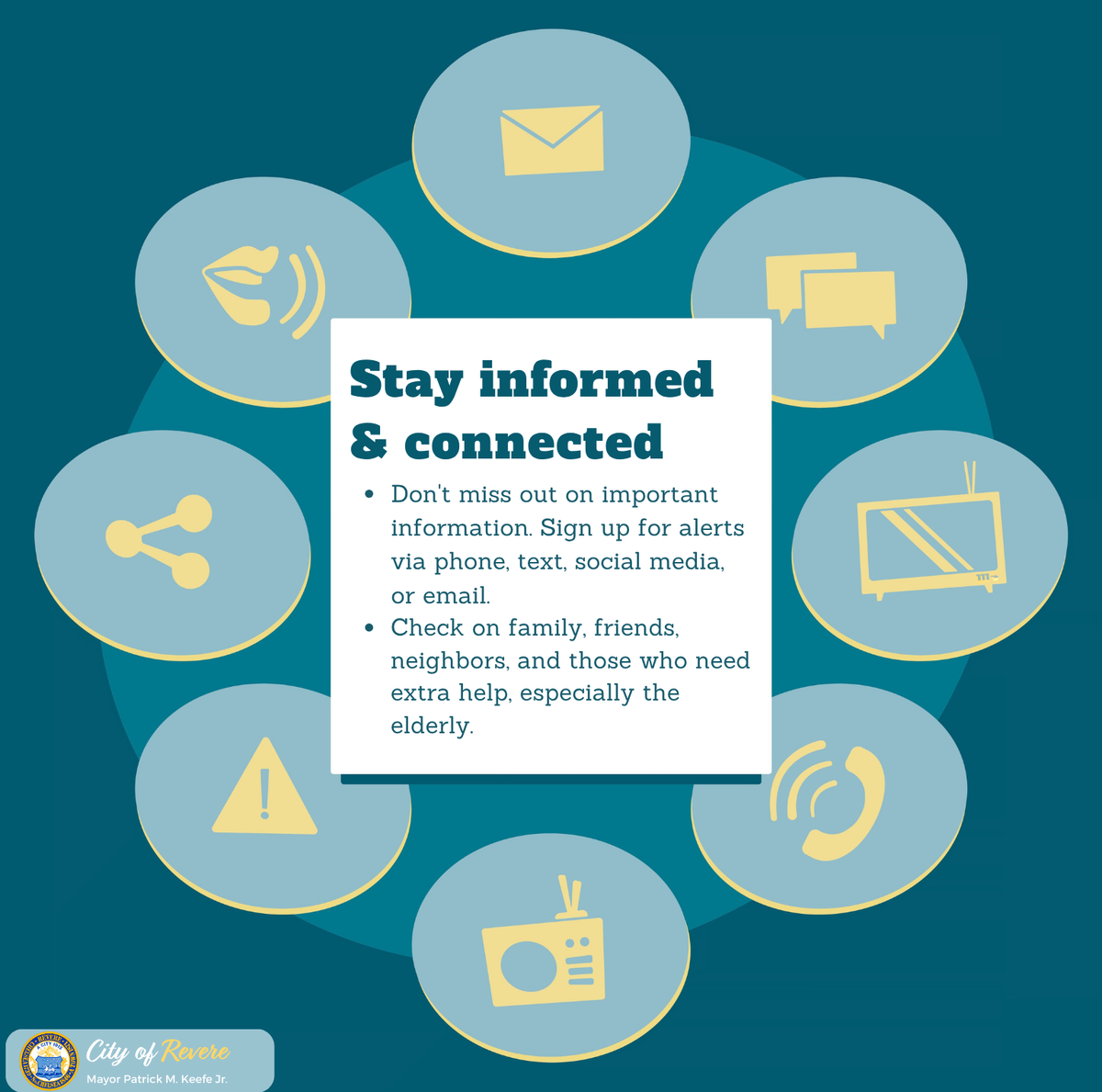
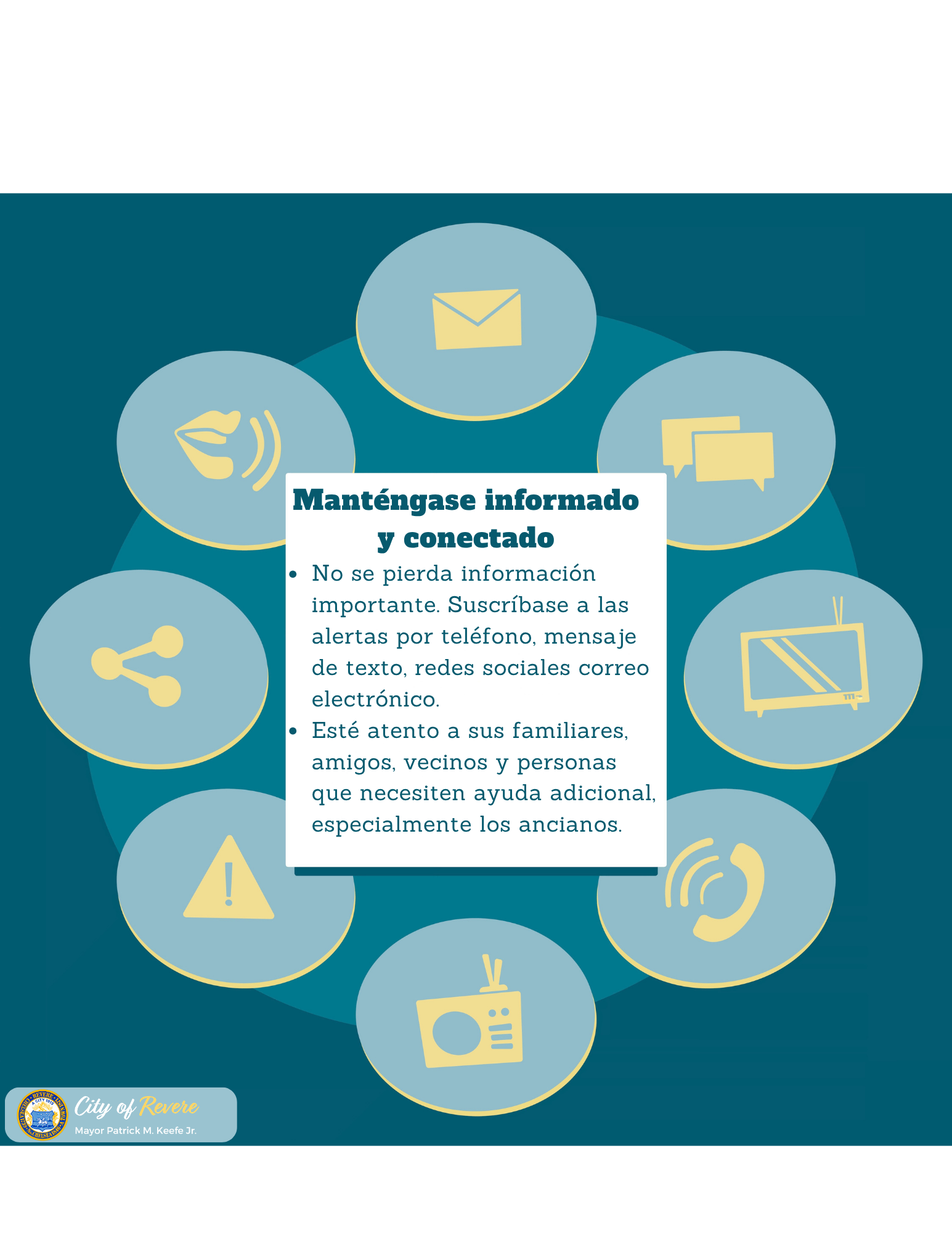
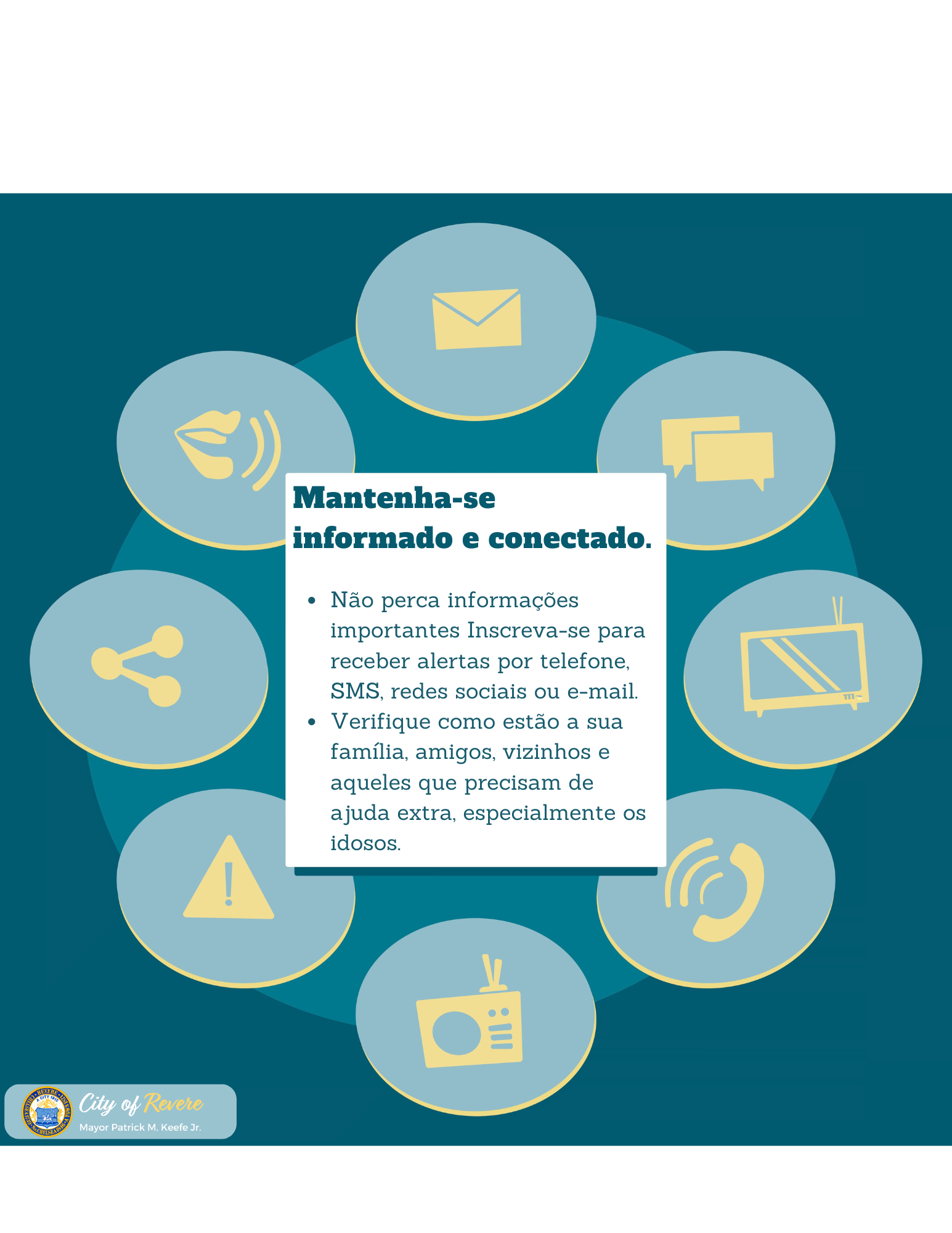

Subscribe to Revere alerts to receive important City-specific information and pay attention to weather alerts on your phone, the radio, and TV. Pay attention to alerts from MEMA and the National Weather Service to receive important information about flood hazards.
Apart from the long-term preparedness strategies described in the resources above, other actions you should take immediately before a potential flooding event are:
- Secure outdoor objects (including furniture, trash cans, etc.) or bring them inside.
- Clear your basement of hazardous waste.
- Report street catch basins covered in debris to 311 so they can be cleared to prevent or reduce street flooding.
- Take care when parking your vehicle to minimize potential water damage.
- Follow any directives to turn off utilities, including the main power source (by flipping each breaker and then turning off the main breaker) and the main valve for gas and water service.
Due to climate change, in the future, Revere will experience increased flooding in two different ways: from intense rainstorms, and from sea-level rise and storm surge. During a potential flooding event, pay attention to local weather reports, alerts, and NOAA Weather Radio to better understand how it might affect your home or business. Avoid travel, if possible, and shelter in a safe place, make sure your valuables and important documents are protected from floodwaters and gather your emergency kit so that you are prepared. If you are caught in a flood and require emergency assistance, please call 911. If it is not an emergency but you need assistance or have questions, please connect with 311. Lastly, you can share flooding photos and updates with the City via MyCoast to inform future flood reduction projects.
During a Flooding Event
There are many things you can do to keep you and your family safe during a flooding event. Explore the following information to learn more about what you should and should not do.
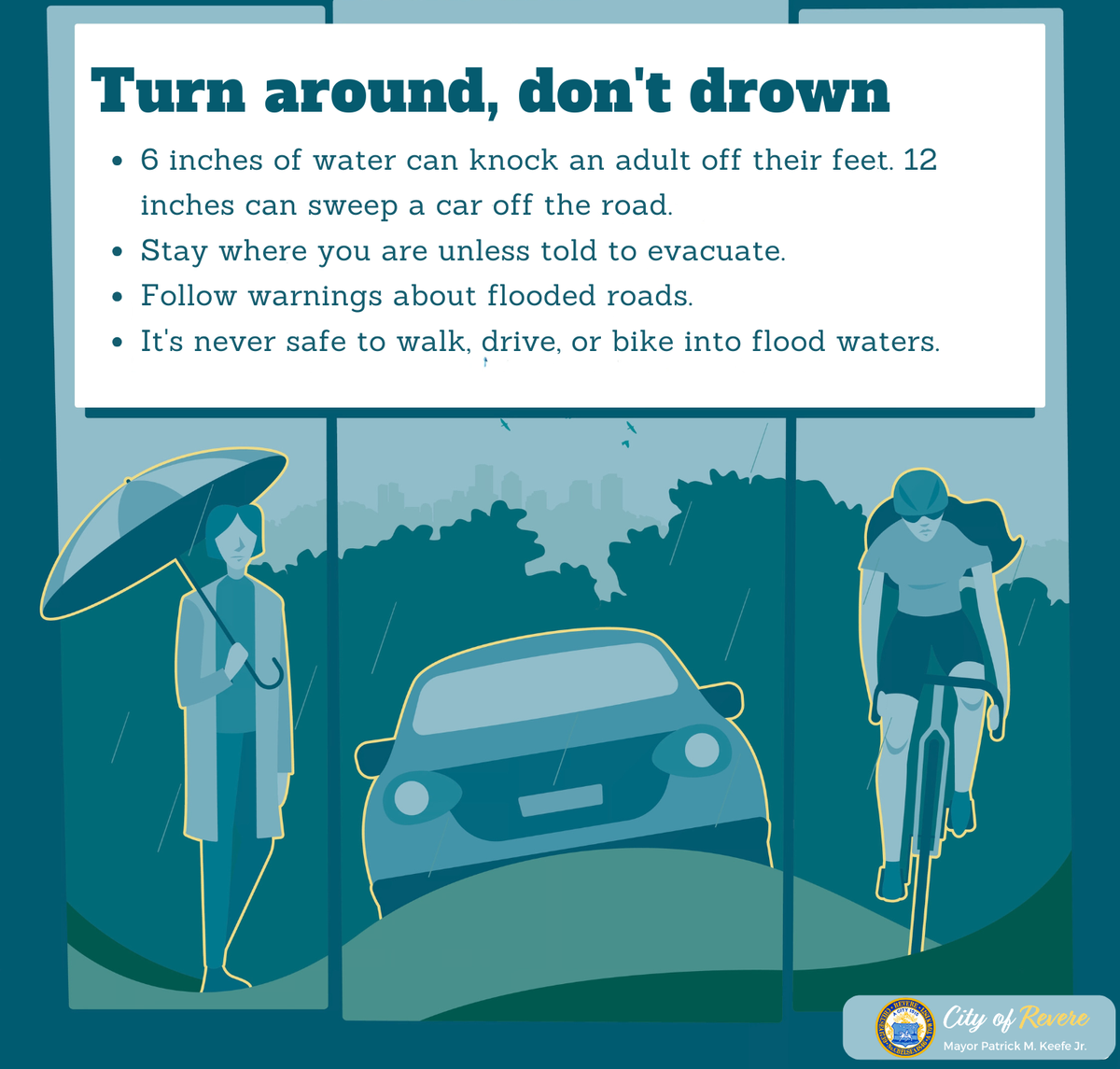
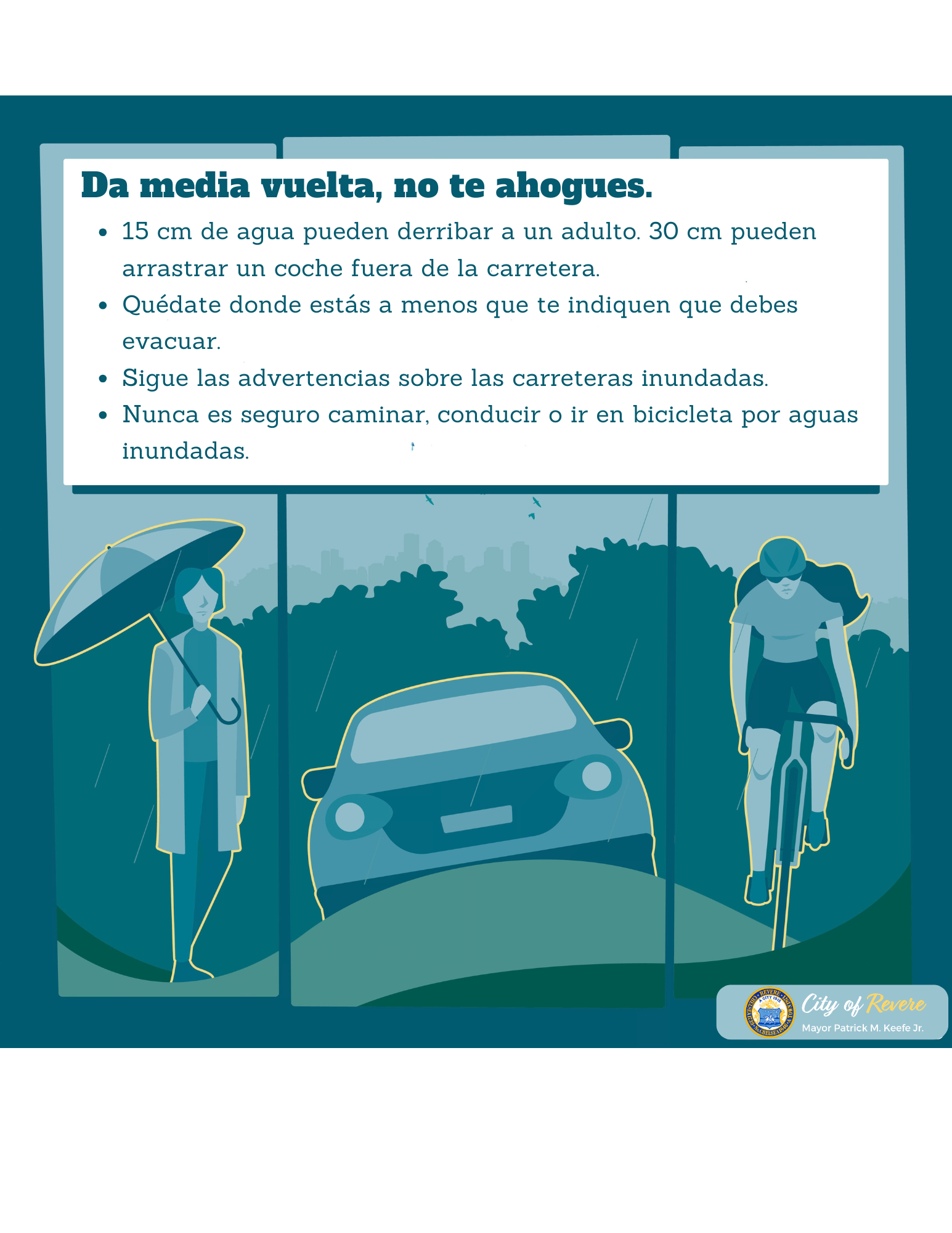
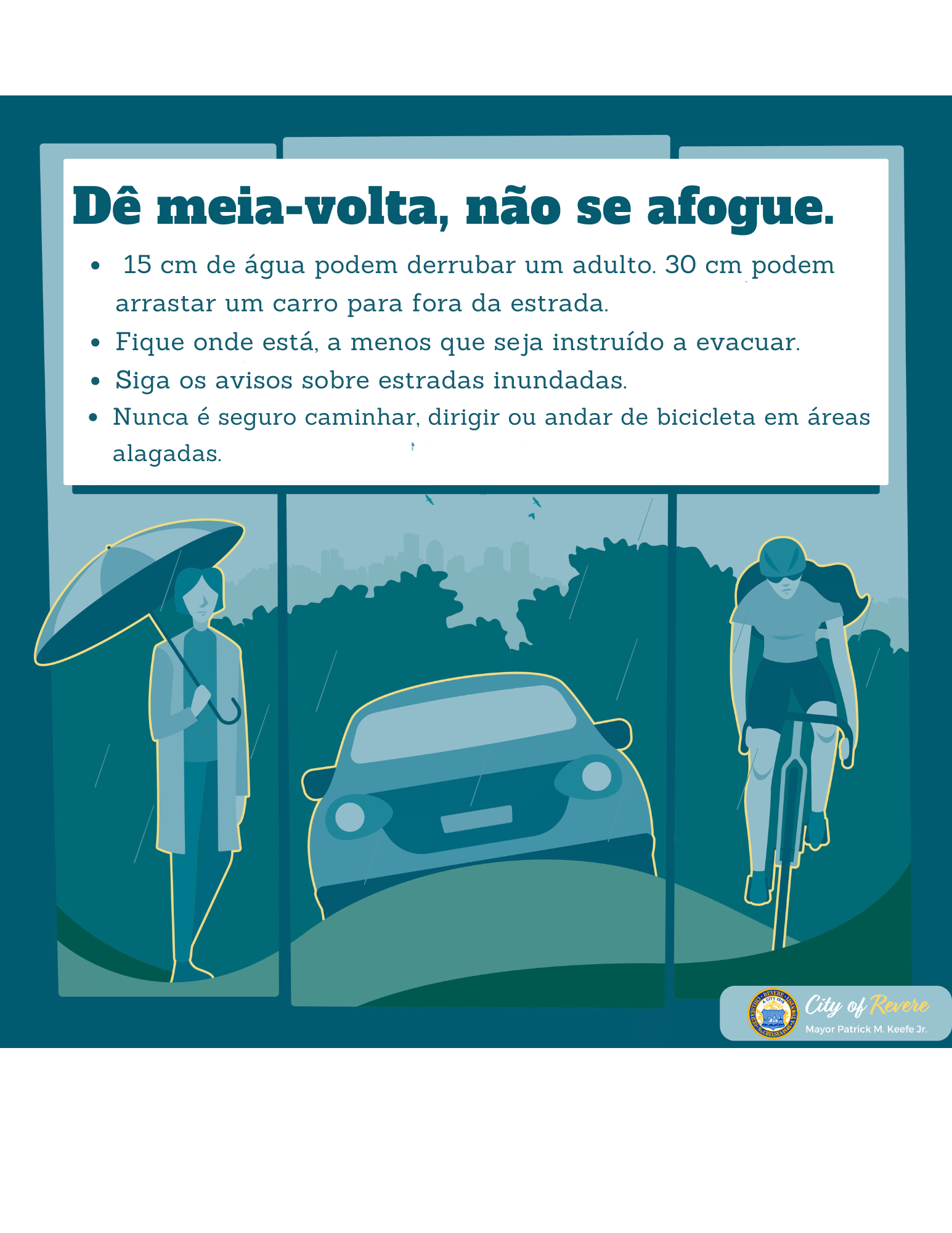
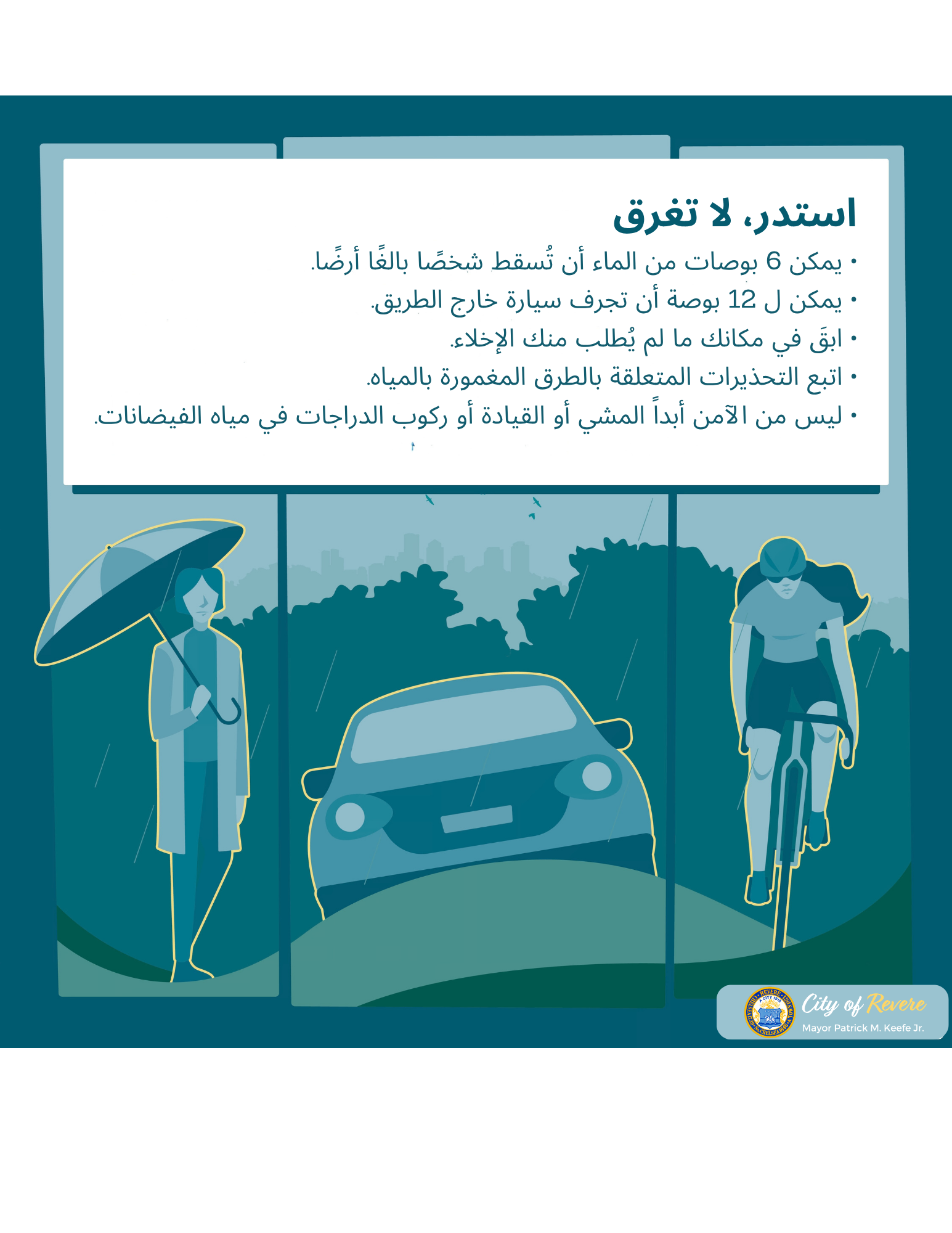
It is never safe to walk, drive, or bike into floodwaters. It is impossible to know how deep the water is just by looking at it. If you do get trapped in your vehicle in rapidly moving water, do not exit the vehicle, and call 911. If water is rising inside the vehicle, seek refuge on the roof of the vehicle, and call 911.
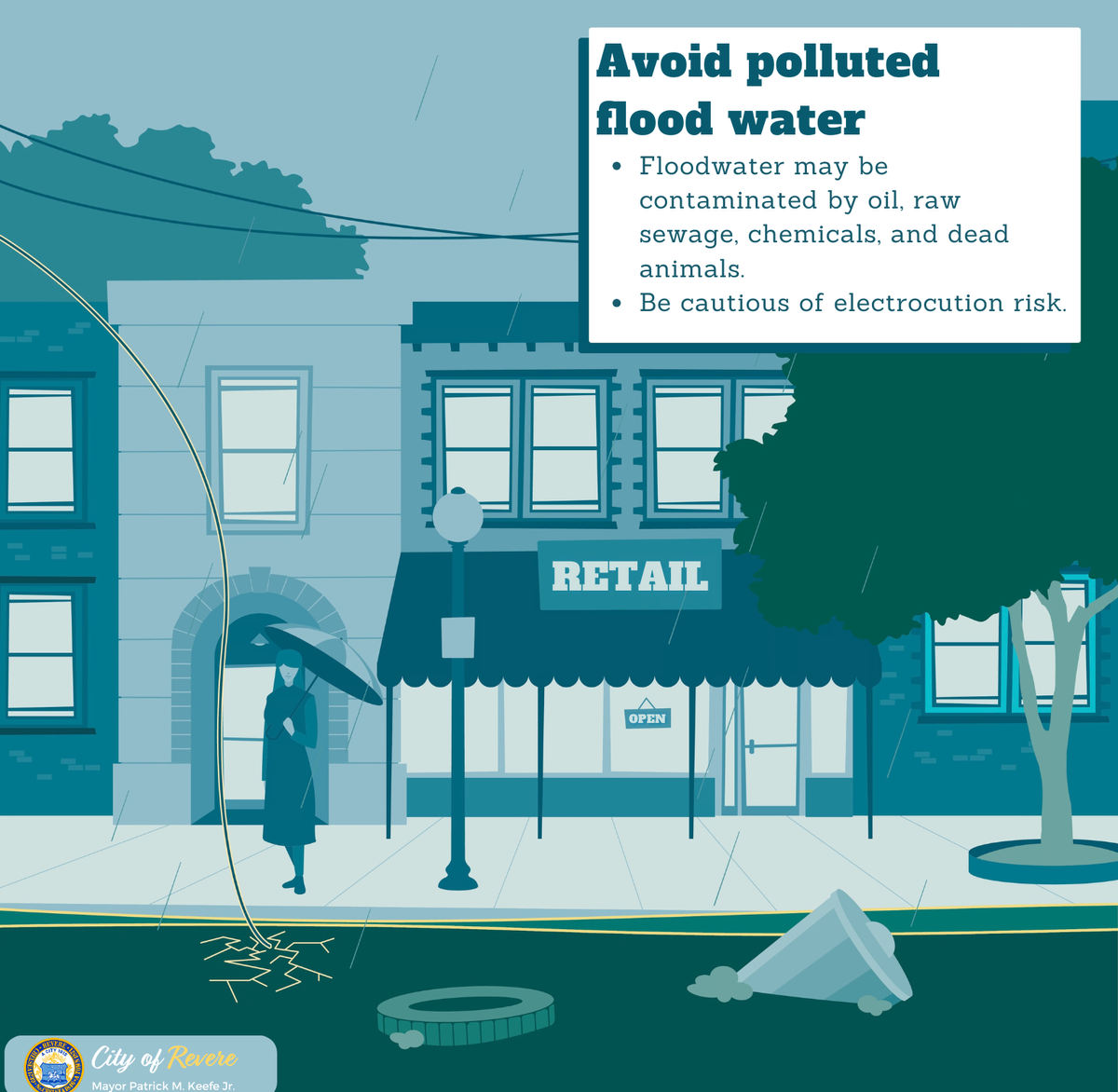
Avoid wading in floodwater, which may contain debris and be contaminated. Be aware of the risk of electrocution – underground or downed power lines can electrically charge the water.
After Flooding Occurs
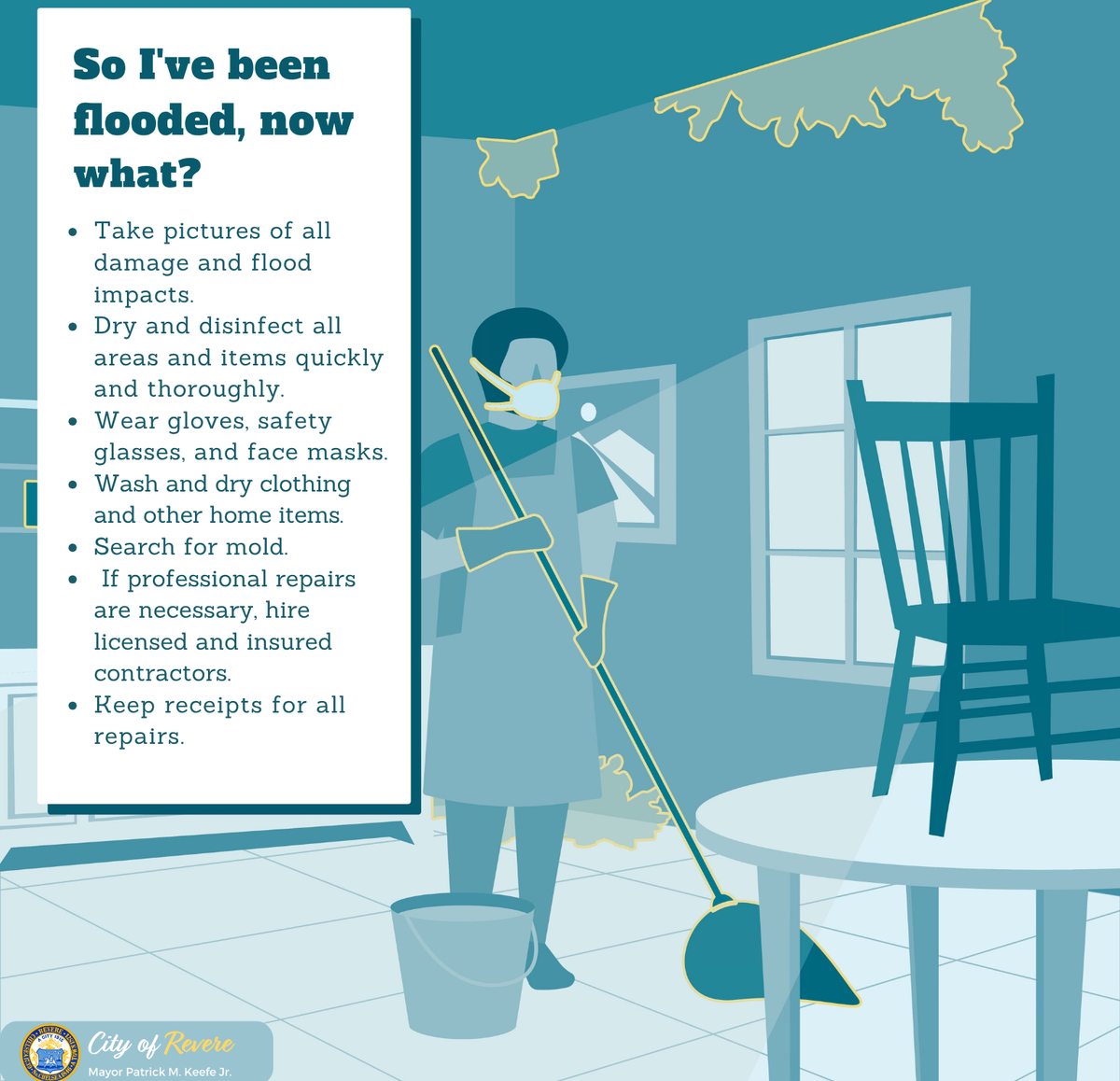
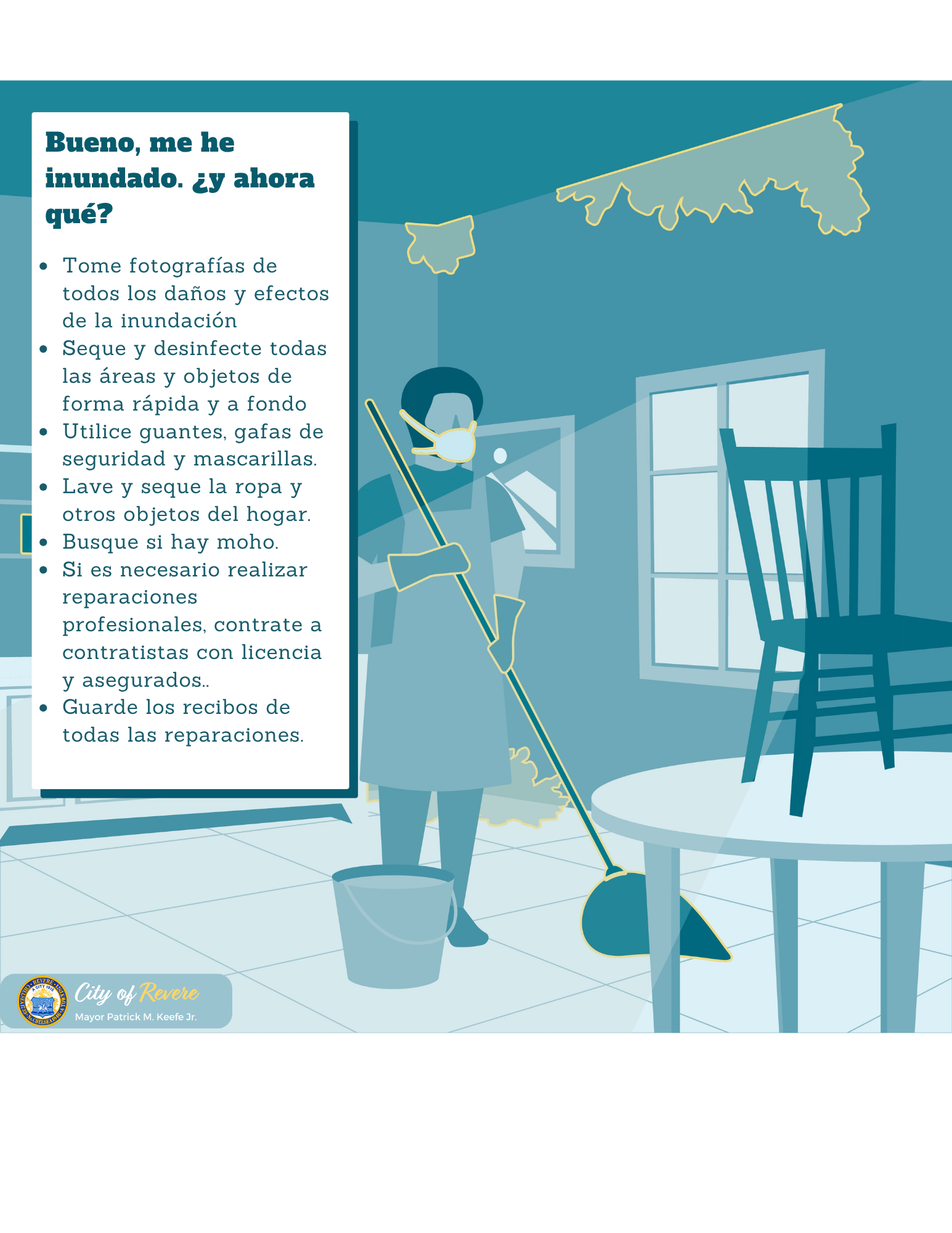
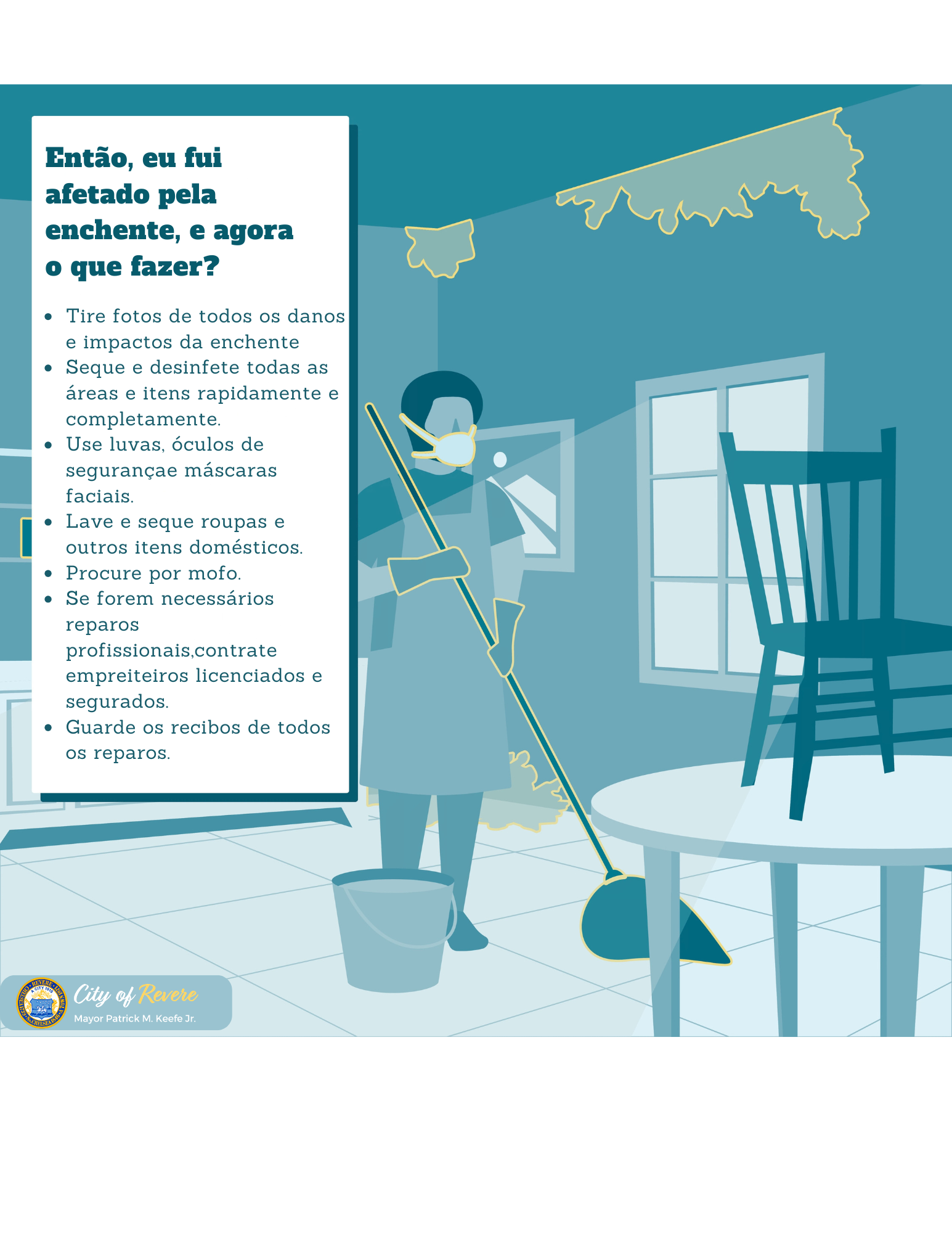
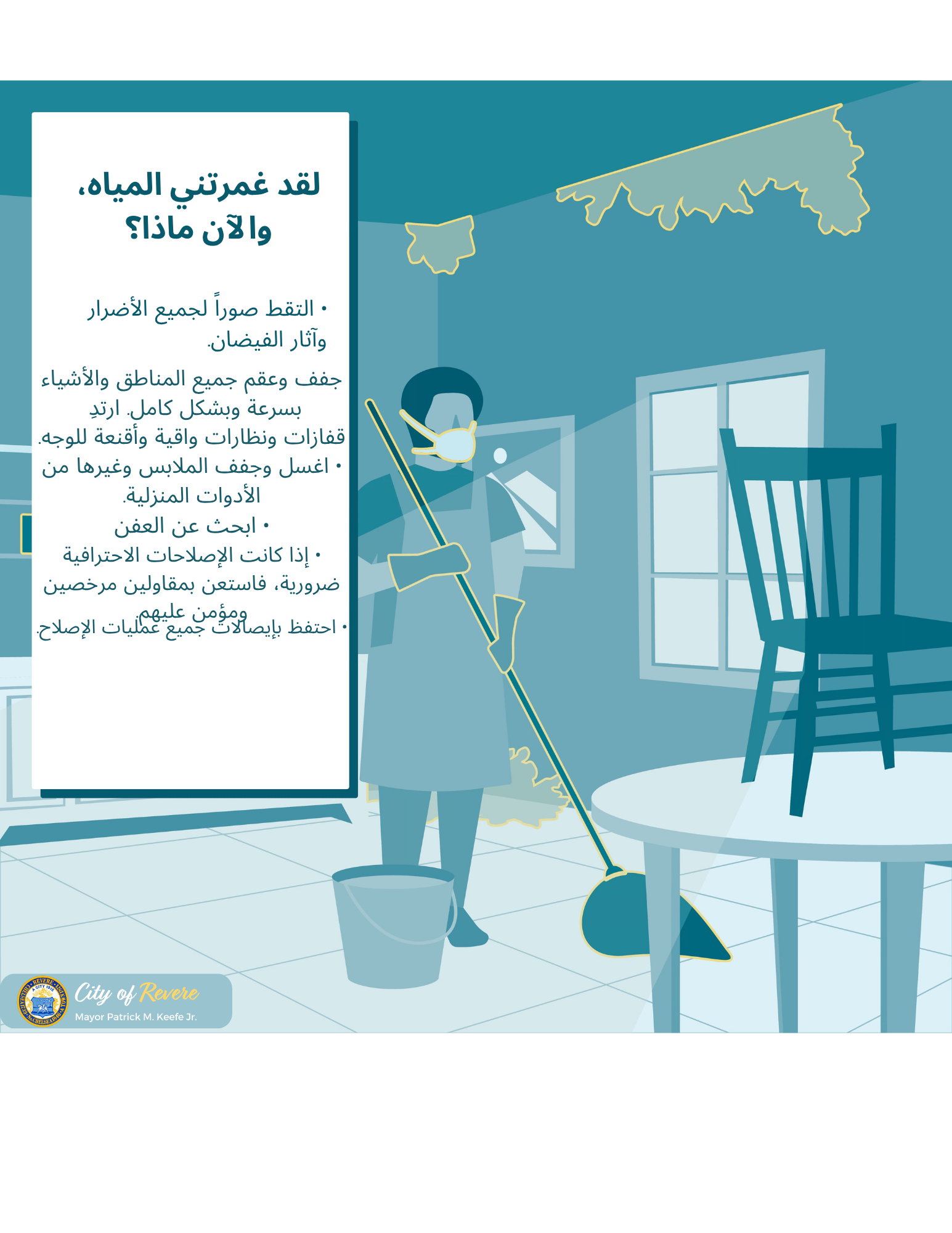
Do what you can to prevent further damage that insurance may not cover (e.g., by putting a tarp on a damaged roof). Clean and disinfect everything that got wet. Water and debris left from floodwater can contain sewage, bacteria, and chemicals. Take precautions and wear appropriate protective equipment such as gloves, safety glasses, and face masks. Follow five basic steps for post-flood building restoration, including (1) air out, (2) move out, (3) tear out, (4) clean out, and (5) dry out.
Seek out professional services and/or guidance before attempting to repair flood-damaged property. Be aware of the risk of electrocution and do not touch electrical equipment it if is wet or if you are standing in water. Remove and replace any drywall or other paneling that has been underwater. Use a moisture meter to make sure that wooden studs and framing are dry before replacing the drywall. Mold growth, often in hidden places, is a significant health hazard.
Throw out any medicine, water, or food (including canned items) that was exposed to floodwaters or not maintained at a proper temperature. Do not eat food from a flooded garden. When in doubt, throw it out.
If you have flood insurance and want to file a flood claim, photograph damage to your property and contact your insurance agent. You can also visit the National Flood Insurance Program’s website for more information on filing a flood claim.
City's Action Steps
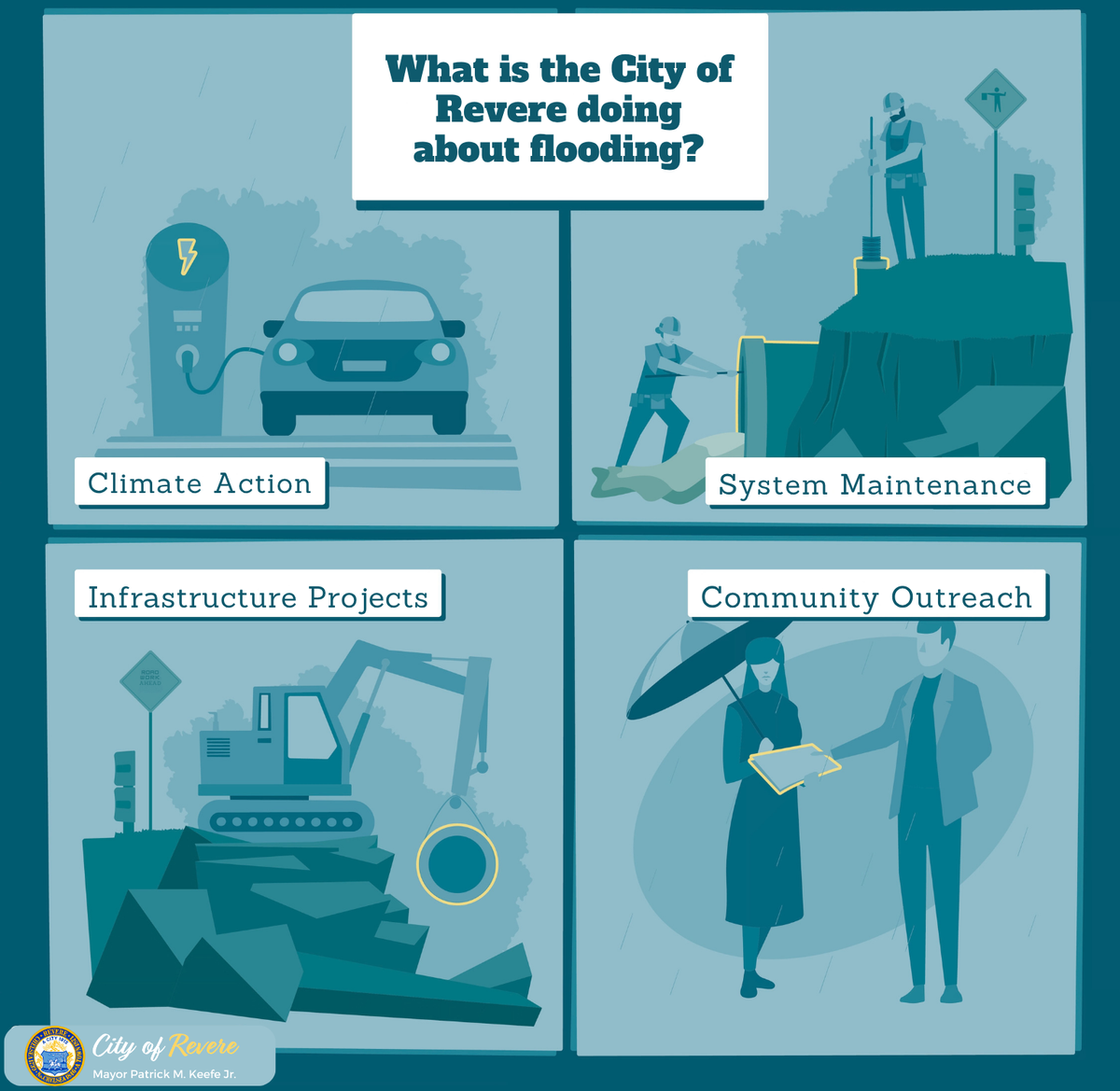
The City is working on flood mitigation solutions, maintenance of our stormwater management system, community outreach, and preparedness, and climate action. A wide range of strategies are needed in order to address flooding. Current examples of flooding preparedness projects and efforts in Revere include:
Stormwater Infrastructure Improvements and Maintenance
During intense precipitation events, some areas of Revere currently experience flooding, often resulting in flooded streets and wet basements. This flooding occurs when Revere’s current drainage system does not have the capacity to manage the large quantities of water that fall over a short period of time during a storm. The City is working to better maintain the stormwater drainage system and implement new projects that will expand the capacity of the system, primarily through the work of multiple departments:
- The Water and Sewer Department is responsible for maintaining Revere’s stormwater management system, including cleaning catch basins.
- The Department of Public Works (DPW) is responsible for street sweeping and clearing leaves and debris from catch basin surfaces. DPW is also responsible for implementing a comprehensive plan to enhance the City’s stormwater system by removing infiltration and inflow into the sewer system and improving the existing stormwater systems.
- The Engineering Division is responsible for implementing stormwater infrastructure improvement projects. Recent projects include:
- Lead Service Replacement
- Library Street Drainage Improvements
- Martin Street Tide Gate Improvements
- Infiltration & Inflow
Climate Change Preparedness & Resilience
Climate change means that flooding will happen more often and more intensely, including in places that haven’t experienced flooding in the past. This increase in flooding will happen for two different reasons. First, there will be more frequent and intense rainstorms (Massachusetts Climate Change Assessment 2022).
Second, Revere will experience flooding from Rumney Marsh and Belle Isle Marsh. As sea levels in Boston Harbor are predicted to rise 4 to 8 inches by 2030 and 15 to 36 inches by 2070 (Climate Ready Boston, 2016), the risk of flooding in Revere during large coastal storms will increase because the existing infrastructure is not designed for these future conditions. The City of Revere is continuously analyzing climate projections in order to understand how climate change will affect Revere and how we can better prepare. To learn more about potential climate change impacts in Revere, and what the City is doing to prepare, check out these resources:
- MVP Plan: The Commonwealth of Massachusetts’ Municipal Vulnerability Preparedness (MVP) Program is designed to increase resiliency to natural hazards that are exacerbated by climate change at the municipal level. The MVP Program provides cities and towns with monetary and technical support to begin the process of planning for climate change resiliency and implementing priority projects. In 2019, the City of Revere received a MVP Planning grant to participate in the MVP Program to increase its resiliency planning efforts.
- Hazard Mitigation Plan: The City of Revere Hazard Mitigation Plan Update in 2022 examines City actions to reduce or eliminate long-term risk to life and property from natural hazard events. The Disaster Mitigation Act of 2000 (DMA 2000) requires that after November 1, 2004, all municipalities that wish to continue to be eligible to for Federal Emergency Management Agency (FEMA) Hazard Mitigation Assistance (HMA) funding to adopt a local multi-hazard mitigation plan, which must be updated in five-year intervals. This planning requirement does not affect post-disaster Public Assistance (PA) funding. Revere completed its Hazard Mitigation Plan (HMP) in 2005, and previously updated it in 2015.
- Beachmont Resilience Plan: The City of Revere received an FY25 grant from the Massachusetts Office of Coastal Zone Management to evaluate and develop potential near-and long-term adaptation measures for a flood-prone residential area in Revere, Massachusetts, bordering Belle Isle Marsh. Focused on Pearl Ave, Summer St, Crystal Ave, Crescent Ave, and Winthrop Ave in the Beachmont neighborhood, the effort seeks to identify practical solutions to mitigate risk and build resilience in response to increasing coastal flooding threats.
- Riverfront Master Plan: The Riverfront Master planning process was conducted throughout 2020 to explore opportunities and challenges related to the Gibson Park area adjacent to the Point of Pines neighborhood. The plan was finalized in 2021 and guides the City on efforts to make Gibson Park more resilient and recreational for residents and visitors.
- Revere Tree Planting Plan: As a dense, urban community, Revere’s tree canopy has a significant need to expand. Increasing the City’s tree canopy is an explicit goal of the City’s 2020 Master Plan, Next Stop Revere, and was reinforced further in the 2023 Zero Carbon Action Plan developed by the North Suffolk Office of Resilience & Sustainability (NSORS), a partnership between Revere, Chelsea, and Winthrop. The plan calls for the need to “reduce heat islands through investments in green infrastructure, urban forests, and other techniques.” In June 2023, the City completed a Tree Inventory and Public Tree Planting Plan, with the support of a 2021 DCR Grant. The Public Tree Planting Plan sets recommendations for site, species, and nursery stock selection, makes recommendations on tree installation and maintenance strategies, and also makes recommendation son priority planting sites.
- Thomas Redstone Report Point of Pines and Riverside Area Coastal Resilience Feasibility Report 2021-06-24: The City of Revere Municipal Vulnerability Preparedness (MVP) Summary of Findings Report identified the Point of Pines / Riverside area as the portion of the city most vulnerable to climate change impacts. This Point of Pines / Riverside Area Coastal Resiliency Feasibility Study (hereafter, Resiliency Feasibility Study) was initiated in response to a top priority action identified from the MVP Program, which is to conduct a feasibility study to determine the best strategies to mitigate flooding, erosion, and storm impacts in the Point of Pines / Riverside area (hereafter, Study Area). The Resiliency Feasibility Study was conceived as an integrated coastal protection initiative for the City of Revere. The Resiliency Feasibility Study consists of stakeholder workshops, five memoranda and one final report aimed to evaluate the flood vulnerability and potential mitigation options for the Study Area. The Resiliency Feasibility Report includes an implementation plan that identifies prioritized action items, responsibilities, and potential funding sources.